Types of NIPT Tests: What Basic Panels Don't Catch
Prenatal screening is extremely important as it gives you a comprehensive view of the genetic or chromosomal status of the fetus. One common prenatal screening method is NIPT or non-invasive prenatal testing.
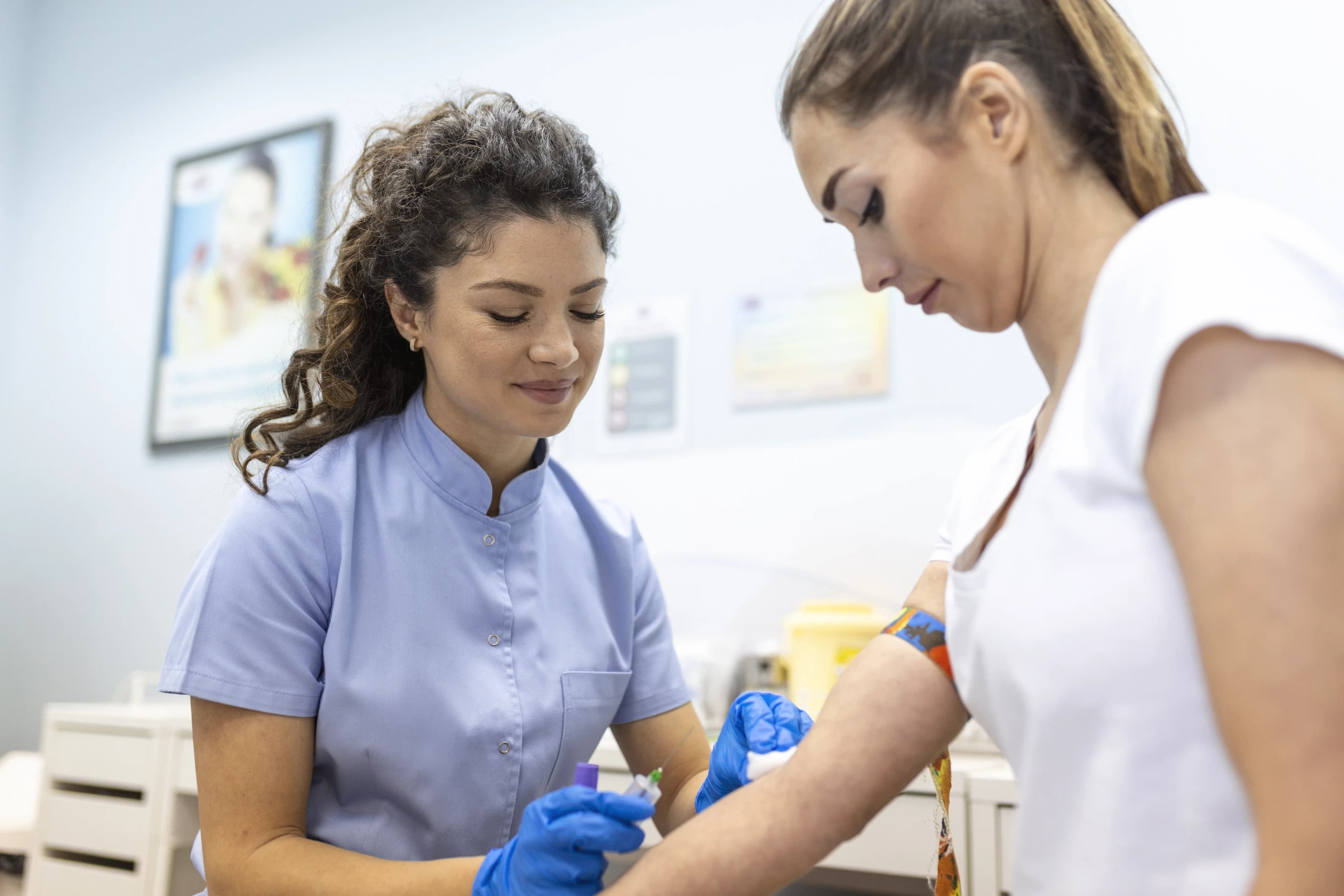
In this method specialists draw blood from the mother to detect genetic conditions of the fetus such as their predisposition to Down syndrome or Edward’s syndrome. Research reveals that about 27 nations have incorporated NIPT into their national Down syndrome screening programs.
However not all NIPT tests are the same. Some of these tests only uncover basic chromosomal abnormalities while others give you a more in-depth look into the genetic health of the fetus.
This blog looks into different types of NIPT tests in detail. So keep on reading till the end to choose a better prenatal screening option that allows you to better plan your pregnancy.
Understanding the Different Types of NIPT Tests: Basic vs Expanded NIPT Panels
NIPT is an innovative prenatal screening test that doctors or home healthcare services in Dubai use to determine the probability of chromosomal abnormalities or common aneuploids like Down syndrome (Trisomy 21), Edwards syndrome (Trisomy 18), and Patau syndrome (Trisomy 13) in the fetus. Expectant mothers undergo this test after the 10th week of pregnancy.
For this test doctors use a standard blood draw from the mother to analyze the cell-free fetal DNA. This is what carries the baby’s essential DNA information. After looking at your medical or family history and considering pregnancy complication risks, specialists may either recommend a basic or an expanded NIPT panel to the mother.
What is Basic NIPT?
A basic NIPT panel only aims to detect common chromosomal conditions or pregnancy-related genetic abnormalities. For this purpose experts analyze cell-free fetal DNA that exists in the mother’s bloodstream. This assessment gives you a view of the risks of specific chromosome number differences or aneuploidies.
After an NIPT the proportion of women who choose invasive prenatal diagnosis procedures like CVS has decreased from 75% to 43%. Research into the accuracy of NIPT tests also highlights the fact that these tests give you a very high sensitivity and specificity, sometimes even more than 99% for trisomy 21 or Down syndrome.
A basic NIPT panel is an ideal option for parents with no known family history of genetic disorders or additional pregnancy risks.
Here is what a basic NIPT panel screens for.
Trisomy 21 or Down syndrome
This is the most common chromosomal condition that arises due to an extra copy of 21 chromosomes. This change affects the cognitive as well as physical growth of the baby. It also results in congenital heart defects.
Trisomy 18 or Edwards syndrome
This is another serious but somewhat rare condition that a basic NIPT panel can detect. Edwards syndrome results in organ abnormalities. Its presence also elevates the risks of stillbirth or miscarriage.
Trisomy 13 or Patau syndrome
This condition results from an extra chromosome 13. Many developmental abnormalities in organs like the heart or brain result from Patau syndrome.
Sex Chromosome Aneuploidies
Basic NIPT panels also screen for sex chromosome aneuploids. In this case they detect differences in the number of X or Y chromosomes. This allows you to detect conditions like Turner syndrome (Monosomy X), Klinefelter syndrome (47, XXY), Triple X syndrome (47, XXX), or XYY syndrome (47, XYY).
Fetal Sex
Many clinical labs or lab testing at home services also conduct basic NIPT panels to get information about the fetal sex. However this is totally optional, and the decision relies on the consent of the parents.
What is Expanded NIPT?
An expanded NIPT panel evaluates all the conditions that a basic panel does and then some. This screening approach gives you a wider view of chromosomal abnormalities. It looks for very specific genetic changes that are less common but can have lasting clinical implications for the baby.
This type of panel is a good option in cases where there is a family history of genetic disorders. Other factors include ultrasound findings or previous pregnancies with chromosomal abnormalities.
Here are some notable conditions that an expanded NIPT panel can screen for.
Aneuploidies
Just like a basic NIPT panel, expanded panels can also screen for common trisomies like Down, Edward, or Patau syndrome. Apart from these it can also detect some rare autosomal aneuploidies that affect other chromosomes.
Selected Microdeletion Syndromes
This condition arises when a very small but critical fragment of the chromosome DNA is missing. Basic NIPT screening cannot detect this microdeletion as it requires you to use very sensitive or advanced techniques.
Some important examples of these include 22q11.2 deletion syndrome (DiGeorge syndrome), 1p36 deletion syndrome, Cri-du-chat syndrome, and Angelman syndrome/Prader-Willi syndrome that result in organ or cognitive defects.
Rare autosomal Trisomies
In this case the expanded NIPT panel aims to screen for chromosomes beyond 13, 18, or 21. Though these abnormalities are uncommon they can still provide you with useful information about the health of the baby in certain high-risk pregnancies.
Copy Number Variations (CNVs)
Expanded NIPT panels can also help you identify larger DNA losses or gains across different chromosomes. This screening gives insights into potential developmental delays or specific genetic syndromes.
What Basic NIPT Panels Don't Catch
Though basic NIPT panels give you a comprehensive view of the fetal chromosomal conditions there are still some things that they are unable to catch. This section lists some of these conditions that basic NIPT panels cannot detect.
Small Microdeletions
These panels cannot detect minute missing DNA fragments. This means several microdeletion syndromes remain undetected with basic panels.
Rare Chromosomal Abnormalities
Basic panes only look at chromosomes 13, 18, 21, X, and Y. This means it doesn’t detect any changes in other chromosomes of the fetus. For this purpose you need expanded genome-wide NIPT screening.
Single-Gene Disorders
Basic NIPT panels cannot detect mutations within a single gene. This means it fails to screen for certain inherited conditions like metabolic disorders or skeletal dysplasias.
Structural Genetic Variations
Basic NIPT screening cannot detect structural chromosome rearrangements or balanced translocations as well. For this purpose you need to go for chorionic villus sampling (CVS) or amniocentesis.
Birth Defects Without Chromosomal Causes
The detection of certain birth defects that are not associated with chromosomal abnormalities is also beyond the scope of basic NIPT panels. These panels cannot give you insights into neural tube defects or organ developmental abnormalities.
This is why you need to consult with your NIPT testing at home provider to help you choose an expanded panel or some other more advanced screening procedure if your risk level is high.
Choosing Between Basic and Expanded NIPT Panels
Healthcare specialists choose between a basic and an expanded NIPT panel after considering several factors. They look into your family history or previous pregnancy records to make this decision.
They also consider your age and ultrasound results to make a more informed assessment. Finally, they take into account your personal preference for prenatal information along with the recommendation from genetic counselors to make this choice.
Here are some key considerations that you need to keep in mind if you find it hard to make a suitable choice for yourself.
- A basic panel is an excellent prenatal screening option for low-risk pregnancies where you need to identify potential chromosomal abnormalities.
- In high-risk pregnancies or when there is a family history of genetic disorders you need to go with an expanded NIPT panel.
- Expanded NIPT panels are more expensive and that is why you need to take this into account when making the decision.
- Expanded NIPT panels also come with longer turnaround times as they are more complex.
Conclusion
NIPT screening is a great way for expecting parents to get a clear view of the fetal chromosomal health or genetic status. Basic NIPT panels can detect common chromosomal abnormalities like Down syndrome or Edward syndrome with a high level of accuracy in low-risk pregnancies.
However for more advanced prenatal screening in case of high-risk pregnancies, expanded NIPT panels are a better option. These genome-wide scans can not only detect basic chromosomal abnormalities but also give insights into selected microdeletions, rare autosomal abnormalities, single-gene disorders, and more.
So before you choose between these two options make sure to consult with healthcare experts and look into your personal information like age, pregnancy risk, medical records, or family history.
This can help you reach a better decision that ensures the best care for both the mother and the baby during this time of uncertainty.
Visit our website NADZ healthcare today to schedule NIPT testing services in the comfort of your home. Our DHA-approved specialists offer accurate NIPT testing to help you make more informed healthcare decisions every time.
More Posts
What Is a NIPT Scan? A Complete Guide for Expectant Parents

What Is Chronic Anxiety Disorder? How It Differs from Normal Anxiety

What Are the Symptoms of Anxiety Disorder: Common Indicators

What Is Home Care Nursing? Complete Guide

How to Treat Social Anxiety Disorder: Steps Toward Confidence