What Is a NIPT Scan? A Complete Guide for Expectant Parents
Pregnancy is an exciting phase that also comes with a lot of uncertainty. You might have a number of questions about your health, including what to eat, how to care for yourself, and which scans and tests to take.
One of the important scans you’ll come across in early pregnancy is the NIPT scan. Research published on NCBI shows NIPT has become one of the most widely used prenatal screening tools globally, with detection rates for common chromosomal conditions that far exceed older screening methods.
But many people aren’t entirely sure what it involves and whether it’s the right choice for them. If you also have questions or feel anxious about prenatal testing, you're not alone.
In this guide, we'll walk you through everything you need to know about the NIPT scan, including what it screens for, how accurate it is, and what to expect.
What Is a NIPT Scan?
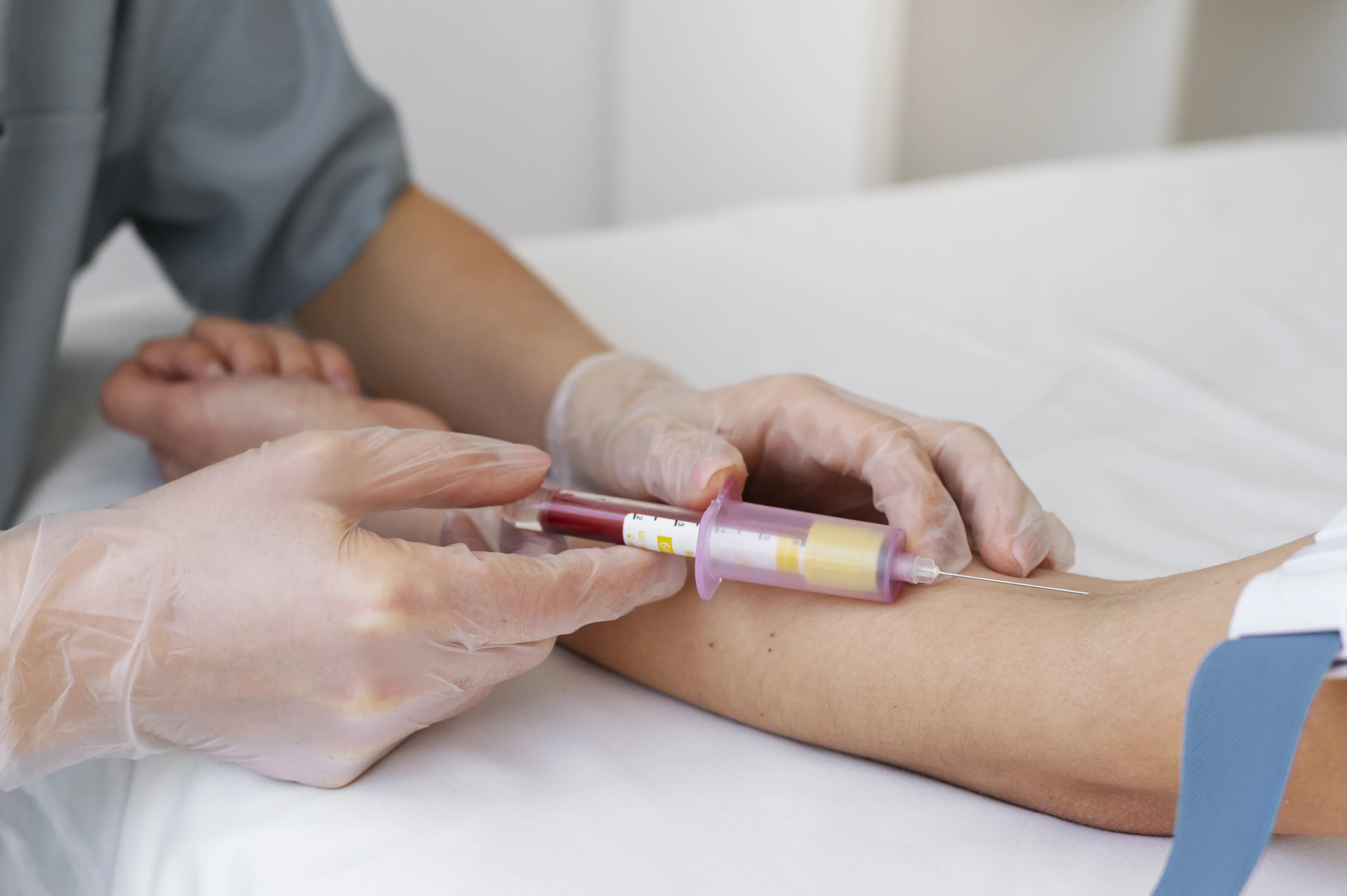
NIPT stands for Non-Invasive Prenatal Testing, and it involves a simple blood sample taken from the mother, usually from around 10 weeks of pregnancy. Despite being commonly called a scan, NIPT is actually a blood test.
The test analyses fragments of cell-free DNA (cfDNA) from the placenta that circulate naturally in the mother's bloodstream. Because the placenta shares the baby's genetic makeup, this DNA can be used to screen for certain chromosomal conditions without posing any risk to the pregnancy. The baby is not touched, and there's no needle near the uterus.
That's the key difference from older, invasive prenatal diagnostic procedures. NIPT carries no risk to the baby or the mother, as it’s just a blood test and nothing more.
What Is a NIPT Scan Used For?
A standard NIPT screens for the most common chromosomal conditions:
Down syndrome (Trisomy 21)
Caused by an extra copy of chromosome 21, it's the most common chromosomal condition detected in pregnancy
Edwards syndrome (Trisomy 18)
A serious condition caused by an extra copy of chromosome 18
Patau syndrome (Trisomy 13)
A severe chromosomal condition caused by an extra copy of chromosome 13
Sex chromosome abnormalities
Including Turner syndrome and Klinefelter syndrome
Many NIPT panels also offer optional screening for rarer chromosomal deletions and can tell you the sex of the baby if you'd like to know.
One important thing to understand: NIPT is a screening test, not a diagnostic one. If the result comes back high-risk, the next step is usually a confirmatory test, most commonly amniocentesis or chorionic villus sampling (CVS). These can tell you with certainty whether a chromosomal condition is present.
A low-risk result, on the other hand, indicates that there’s lower chances of chromosomal defects in the baby.
How Accurate Is a NIPT Scan?
NIPT is among the most accurate prenatal screening tools currently available. Studies show that NIPT has detection rates for Down syndrome above 99%, with significantly lower false-positive rates compared to earlier first-trimester screening methods.
That said, no screening test is completely accurate. A small number of results can come back as false positives or, less commonly, false negatives. That's why a high-risk NIPT result is always followed by a confirmatory diagnostic test before any decisions are made.
Accuracy can also be affected by gestational age at the time of the test, the mother's weight, and the laboratory performing the analysis. Your healthcare provider will explain what the results mean in the context of your specific pregnancy.
Who Should Consider a NIPT Scan?
NIPT is suitable for most pregnant women, but it's particularly recommended for:
- Women aged 35 and above, as the risk of chromosomal conditions increases with maternal age
- Those who have had a previous pregnancy affected by a chromosomal condition
- Women with a family history of genetic conditions
- Anyone who has received an abnormal result from a first-trimester screen
- Those who simply want greater clarity about their baby's chromosomal health early on
NIPT can be done from as early as 10 weeks, earlier than many other screening options. This gives families more time to understand their results, ask questions, and make considered decisions if follow-up testing is needed.
It's also worth saying that you don't need to be in a high-risk category to choose NIPT. Some people just opt for even without a risk factor simply because they want more information than standard screening provides, and that's a completely valid reason. If having clarity early in pregnancy matters to you irrespective of the result, it's a good idea to talk to your doctor.
NIPT vs. Other Prenatal Screening Tests
NIPT isn't the only prenatal screening option, and it helps to understand where it sits alongside the others.
In the first-trimester, you might undergo a combined screening test that pairs a blood test with an ultrasound nuchal translucency scan. It's widely offered and often used as an initial screen, but it carries a higher false-positive rate than NIPT. If you get a high-risk result from combined screening, then your doctor may recommend you to go for NIPT.
Amniocentesis and CVS are other popular tests that are diagnostic rather than screening tests. They can confirm a chromosomal condition with certainty, but both are invasive procedures that carry a small risk of miscarriage. They're typically recommended when a screening result, like a high-risk NIPT, needs to be confirmed.
NIPT sits in the middle: significantly more accurate than conventional screening, with no physical risk to the pregnancy, but still a screening test rather than a definitive diagnosis.
For many pregnant women, NIPT is the right first step after a positive pregnancy confirmation. It gives you meaningful, reliable information early and without invasive procedures. That can help you and your healthcare provider decide together whether anything further is needed.
Getting a NIPT Blood Draw Done at Home in Dubai
Many expectant mothers prefer to have prenatal blood work done at home, particularly in the first trimester when travelling to a clinic can feel unnecessary or uncomfortable.
At NADZ Healthcare, our DHA-licensed healthcare professionals come to you to collect your blood sample at your home, office, or hotel. The sample is sent to a certified laboratory for analysis, and your results are shared with you privately. It's the same clinical-grade testing, without the clinic visit, taken at the place you feel most comfortable at.
Speak to our team to book your NIPT blood draw at home and take this important step in your prenatal care from a space where you feel completely at ease.
More Posts

What Is Chronic Anxiety Disorder? How It Differs from Normal Anxiety

What Are the Symptoms of Anxiety Disorder: Common Indicators

What Is Home Care Nursing? Complete Guide

How to Treat Social Anxiety Disorder: Steps Toward Confidence

Why Do You Feel Worse After a Rest Day? The Physiology Behind It