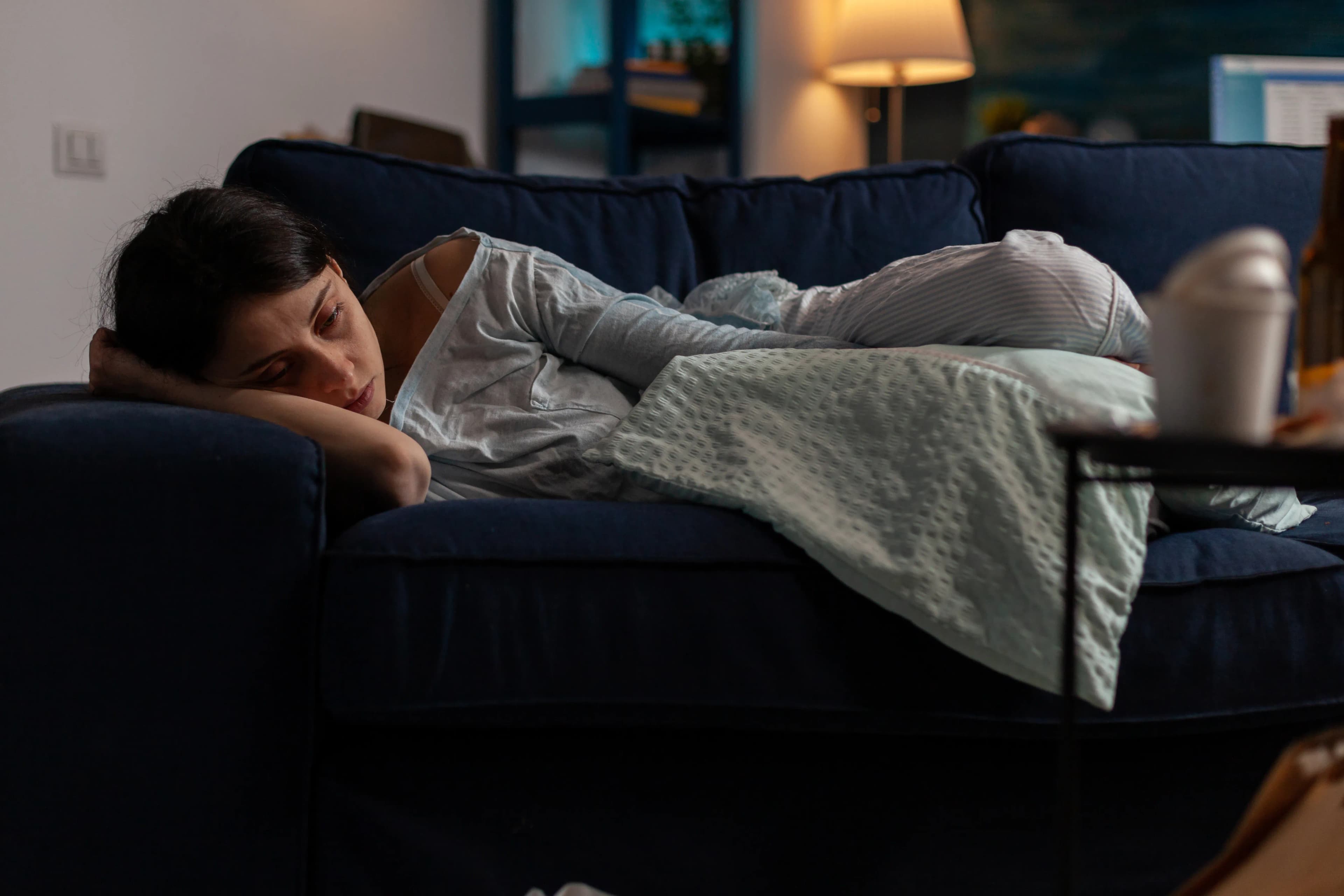
What Is Chronic Anxiety Disorder? How It Differs from Normal Anxiety

Normal anxiety and chronic anxiety disorder are fundamentally different in terms of their causes, symptoms, and effects. Normal anxiety refers to a temporary, natural response to stress or certainty, and it subsides once the situation passes.
A chronic anxiety disorder, however, is a more serious, persistent, and disproportionate worry response that disrupts your work, sleep, and life in general.
Research shows chronic anxiety disorders like generalized anxiety disorder (GAD) affect between 3% and 6% of adults every year around the world. Data from the WHO also shows that about 4.4% of the global population suffers from this disorder.
This blog covers what is chronic anxiety disorder and what are some key differences that set it apart from normal anxiety. So, keep on reading till the end to get to the root of your anxiety and to get the right care from home healthcare services in Dubai that improves your quality of life in every way.
What Is Chronic Anxiety Disorder?
Chronic anxiety disorder is a long-term mental health condition where the patient feels excessive and persistent worry that affects their everyday life for months or even years on end.
Unlike normal stress, the symptoms of chronic stress appear even when there is no immediate threat or identifiable cause. People with this disorder find it hard to control their worries or change their state, which reflects poorly on their relationships, sleep, work, and life in general.
Some examples of this disorder include panic disorder, social anxiety disorder, phobias, GAD, separation anxiety, etc.
Causes of Chronic Anxiety Disorder
Studies show that common causes of anxiety disorders include genetic susceptibility, brain and neurobiology, childhood trauma, personality or cognitive factors, and lifestyle factors.
The following is a list of key causes of anxiety disorder in most patients.
- Family history of the illness
- Persistent stress
- Personality traits that increase sensitivity to stress
- Trauma
- Certain severe or chronic medical conditions
- Hormonal imbalance
- Substance abuse
Symptoms of Chronic Anxiety Disorder
Here are some important symptoms that show you might be suffering from chronic anxiety disorder.
- You worry constantly and excessively.
- You feel restless or on edge most of the time.
- You cannot concentrate on everyday tasks.
- You feel irritable and afraid often.
- Your heartbeat rises, and muscles feel tense.
- You find it hard to fall asleep.
- You have frequent fatigue or headaches.
- You sweat, tremble, and experience severe digestive discomfort.
What is Normal Anxiety?
Normal anxiety refers to your body’s natural response to uncertain, challenging, or threatening situations. This is a temporary reaction that your body produces in response to significant life events or minor threats. Normal anxiety goes away once the trigger disappears or the threat abates.
Chronic anxiety’s symptoms can be disproportionate, meaning they can be worse even for minor inconveniences. But the response of your body in case of normal anxiety is proportional to the situation.
This type of anxiety doesn’t affect your daily life to a great extent. Its main purpose is to make you more cautious and alert when faced with a challenging or unfamiliar situation.
Causes of Normal Anxiety
Here are some major causes that can lead to anxiety in most people.
- Work or academic pressure is a big cause of anxiety as it creates a temporary feeling of nervousness.
- Both major positive and negative life events, such as starting a job, getting married, moving to a new location, or becoming a parent, can also trigger this response.
- Health-related concerns like waiting for test results, surgeries, or going through evaluations can also lead to anxiety.
- Personal relationship conflicts or concerns can also cause anxiety.
- New experiences like travelling alone, meeting strangers, or starting new projects also lead to anxiety in some people.
Symptoms of Normal Anxiety
Here are some key symptoms that show you might need anxiety and stress care in Dubai.
- You feel uneasy or nervous.
- You are worried about a specific personal, work, or study-related issue.
- You cannot relax even after trying hard.
- You are mildly irritable.
- You feel more aware or alert.
- Your heartbeat is fast, and your palms are sweaty.
- You feel butterflies in your stomach.
- Your mouth is dry, and the muscles feel tense.
- There is a slight headache and shallow breathing.
- You experience mild trembling.
Normal Anxiety vs. Chronic Anxiety Disorder: Key Differences
Normal anxiety and chronic anxiety disorder can be hard to differentiate, especially when you do not know what sets them apart. This section lists some major differences between these two conditions to help you make a more informed assessment.
Trigger
Specific life events or situations that are uncertain, challenging, threatening, or unfamiliar trigger normal anxiety for a short period of time. Once the event passes, so does the anxiety.
Chronic anxiety disorders appear even when there are no obvious reasons to worry. Patients with this condition feel worried even when there is no clear trigger nearby, and the reaction can be extreme even for smaller triggers.
Duration
The symptoms of normal anxiety last for a very short time. Once the situation resolves or the threat vanishes, your body returns to its neutral state. However, with chronic anxiety disorder, the symptoms are more intense and persistent. People with this condition feel a sense of worry for days, weeks, or even months.
Intensity
The intensity of normal anxiety is proportional to the situation. People experience temporary symptoms that can be controlled with minor coping mechanisms or medication.
The symptoms of chronic anxiety disorder are disproportionate and excessive.
The intensity of the symptoms becomes far greater than the immediate threat or the feeling of uncertainty.
Impact on Daily Life
Normal anxiety doesn’t disrupt your life. You experience brief discomfort, which is easily manageable. People with this condition are able to work and socialize without any issue.
Chronic anxiety disorder can affect every part of your life. You become less productive, more antisocial, and even the minor everyday tasks become hard to accomplish.
Effect on Sleep and Concentration
Normal anxiety doesn’t affect your sleep cycle or concentration to a great extent. You might find it hard to temporarily concentrate or fall asleep when you are worried about something in the near future. However, once the situation is over, your sleep pattern or the ability to concentrate becomes normal.
With chronic anxiety disorder, individuals find it hard to get a good night’s sleep. A lack of sleep also affects their ability to focus better. In this state, your mind races with thoughts, and your ability to relax diminishes.
Emotional Well-being
Your emotional state may alter for a few moments when you experience normal anxiety. But once the event passes, you feel normal, which allows you to continue your hobbies and responsibilities.
Chronic anxiety disorder comes with persistent irritability, frustration, restlessness, emotional exhaustion, and a lack of self-confidence. This creates emotional challenges that you cannot overcome without professional support.
Ability to Manage Symptoms
Symptom management for normal anxiety is also easy. There are several simple but very healthy coping strategies that people use to combat this issue. These include regular physical movement, deep breathing, adequate sleep, practicing mindfulness, and talking with your dear ones.
For chronic anxiety disorders, these healthy habits are not sufficient to manage symptoms. You also need personalized and structured treatment plans that include psychological therapy, medications, lifestyle adjustments, and regular follow-ups to supplement these healthy coping mechanisms.
When Should You Seek Professional Help?
It is extremely important to know when you need professional help for your anxiety. You must consider medical support if you notice the following signs.
- Your anxiety persists for several months.
- It interferes with your everyday tasks.
- It affects your sleep or appetite.
- The anxiety affects your work or intimate relationships.
- You notice yourself becoming increasingly antisocial.
- You experience frequent panic attacks.
The Value of Home Healthcare for Anxiety Management
Living with anxiety is not easy, and the anticipation and worry of visiting clinical or hospital settings for consultation, diagnosis, and treatment can feel overwhelming to most people.
Home care nursing and anxiety management offers a safer and more private way for people with anxiety disorders to get the care they need. This approach prioritizes the care, comfort, and ease of the patient in the familiar environment of their home or office.
Patients who receive care or support for anxiety at home tend to do much better as they can communicate more openly with their healthcare professionals without fearing judgment or experiencing extra stress.
Professional home healthcare services offer regular health monitoring, medication management, emotional support, patient education, and personalized care plans that meet the physical needs and ensure mental comfort of the patient.
This is what allows patients with severe chronic anxiety disorders to lead a normal and happier life.
Conclusion
You should never take your anxiety lightly, especially when it persists even without a visible trigger. Normal anxiety is nothing to worry about, as everyone experiences it at one time or another.
But chronic anxiety disorders can affect your health, relationships, work, and every other aspect of your life. Knowing the symptoms of chronic anxiety can help you distinguish it from normal worry or anxiety.
This can help you receive timely, personalized, and the most effective treatments and lifestyle adjustment guidelines from your healthcare professionals that guarantee long-term results.
Visit us at NADZ Home Healthcare today to book an appointment with our DHA-licensed doctors and anxiety management specialists to get hospital level diagnosis, personalized treatment planning, and stress management solutions in the comfort and privacy of your home and office.
FAQs
What is the difference between anxiety and chronic anxiety?
Normal anxiety is a natural response to stressful situations that only affects you temporarily. Chronic anxiety, on the other hand, is a persistent or disproportionate response to certain triggers that can last for weeks or months and disrupt your life.
How can healthcare professionals diagnose chronic anxiety?
Licensed healthcare professionals take into account things like your symptoms in response to certain situations, your physical health, and psychological evaluations to diagnose this issue.
Is chronic anxiety a lifelong illness?
For many patients, chronic anxiety can be a lifelong struggle. However, it is very much possible to manage its symptoms using coping strategies and medications that can help you live a normal life.
Do you experience panic attacks with chronic anxiety?
Chronic anxiety doesn’t always come with panic attacks. Chronic attacks are one possible symptom of anxiety. Some people experience silent chronic anxiety that doesn’t come with an acute or overwhelming physical response.
More Posts

What Are the Symptoms of Anxiety Disorder: Common Indicators

What Is Home Care Nursing? Complete Guide

How to Treat Social Anxiety Disorder: Steps Toward Confidence
Why Do You Feel Worse After a Rest Day? The Physiology Behind It

Knee Cracking When Standing Up: What It Means and When to Act