
Why Do You Feel Worse After a Rest Day? The Physiology Behind It
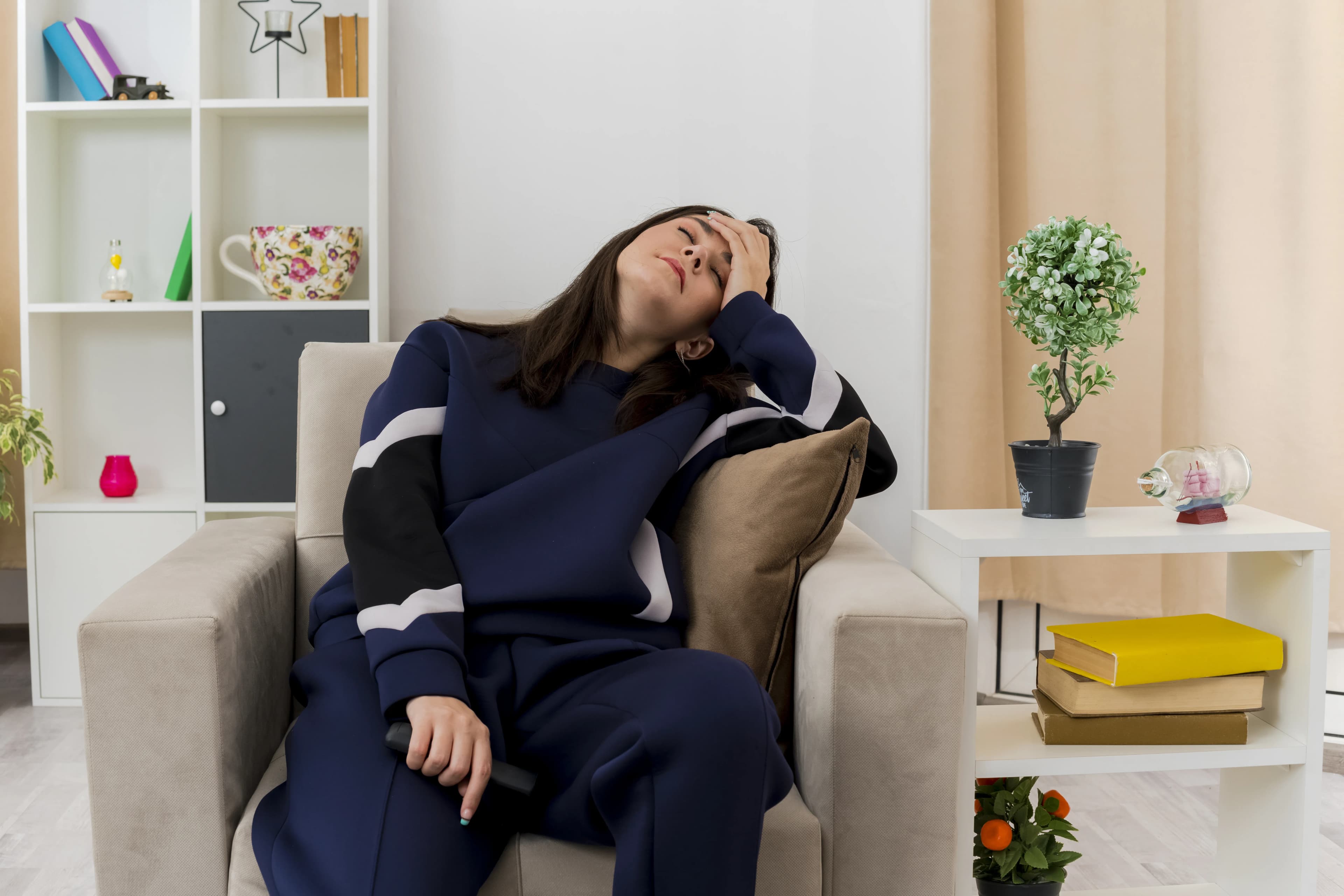
This is something people often find confusing.
They take a rest day thinking the body will feel better… but the next day they wake up feeling stiffer, heavier, or even more uncomfortable.
And the first thought usually is, “Why do I feel worse after resting?”
We hear this quite often in physiotherapy, especially from people who are trying to recover from pain or get back into exercise.
What Actually Happens to Your Body During Complete Inactivity
Rest sounds like it should help, and it does… but too much rest or complete inactivity can sometimes have the opposite effect.
A few simple reasons:
- Muscles become a bit less active when you don’t move
- Joints feel stiffer after staying in one position for long
- Blood flow reduces slightly with inactivity
- The body gets used to being “inactive” very quickly
- Tightness builds up in areas that were already a bit weak
- Movement pattern slows down after a full day of rest
Honestly, the body likes movement more than complete rest.
Even one day of less activity can make some people feel noticeably different.
Symptoms People Notice After a Full Rest Day
Not everyone experiences it the same way, but common things are:
- Feeling stiff when getting out of bed
- Body feeling heavy or slow
- Slight aches that were not there before
- Difficulty starting movement after sitting or lying down
- Feeling less flexible than usual
- Sometimes more discomfort in previously painful areas
Some people even say, “I felt better on the days I was active than on my rest day.”
That’s actually a very common observation.
The Physiotherapy Approach When Rest Makes You Feel Worse
When rest itself becomes the problem, physiotherapy doesn't add more of it. Physiotherapy reintroduces movement in a way the body can tolerate and respond to. The approach is progressive, starting with the minimum effective dose of activity.
First Step: Why We Prescribe Movement, Not More Rest
When someone reports this, the first step is usually not more rest.
It’s actually the opposite, gentle movement.
We often suggest:
- Light walking
- Simple mobility exercises
- Stretching in small doses
- Avoiding long periods of complete rest
- Basic activation exercises for weak muscles
Sometimes even 10–15 minutes of movement can change how the body feels.
Building the Right Balance Between Activity and Recovery
Once the body starts responding better, we focus on balance between activity and recovery.
This may include:
- Gradual strengthening exercises
- Improving daily movement habits
- Breaking long sitting or lying periods
- Building endurance for daily activity
- Learning how to recover without becoming inactive
The goal is not to avoid rest completely… but to avoid “total inactivity.”
How to Rest Without Letting Your Body Stiffen Up
Nothing complicated.
- Don’t stay completely still for long hours
- Do light movement even on rest days
- Take short walks during the day
- Stretch gently instead of avoiding movement
- Avoid lying down the whole day
- Keep the body lightly active
Simple things… but they make a big difference.
Tired After Rest? It's Usually Your Body Asking to Move
Rest is important, but too much rest without movement can sometimes make the body feel worse instead of better.
The body is designed to move.
So when movement suddenly drops, stiffness and discomfort can build up quickly.
In most cases, a balance of activity and recovery works much better than complete rest.
And often, the “bad feeling after rest” is just the body asking to move again.
More Posts

What Is Chronic Anxiety Disorder? How It Differs from Normal Anxiety

What Are the Symptoms of Anxiety Disorder: Common Indicators

What Is Home Care Nursing? Complete Guide

How to Treat Social Anxiety Disorder: Steps Toward Confidence

Knee Cracking When Standing Up: What It Means and When to Act