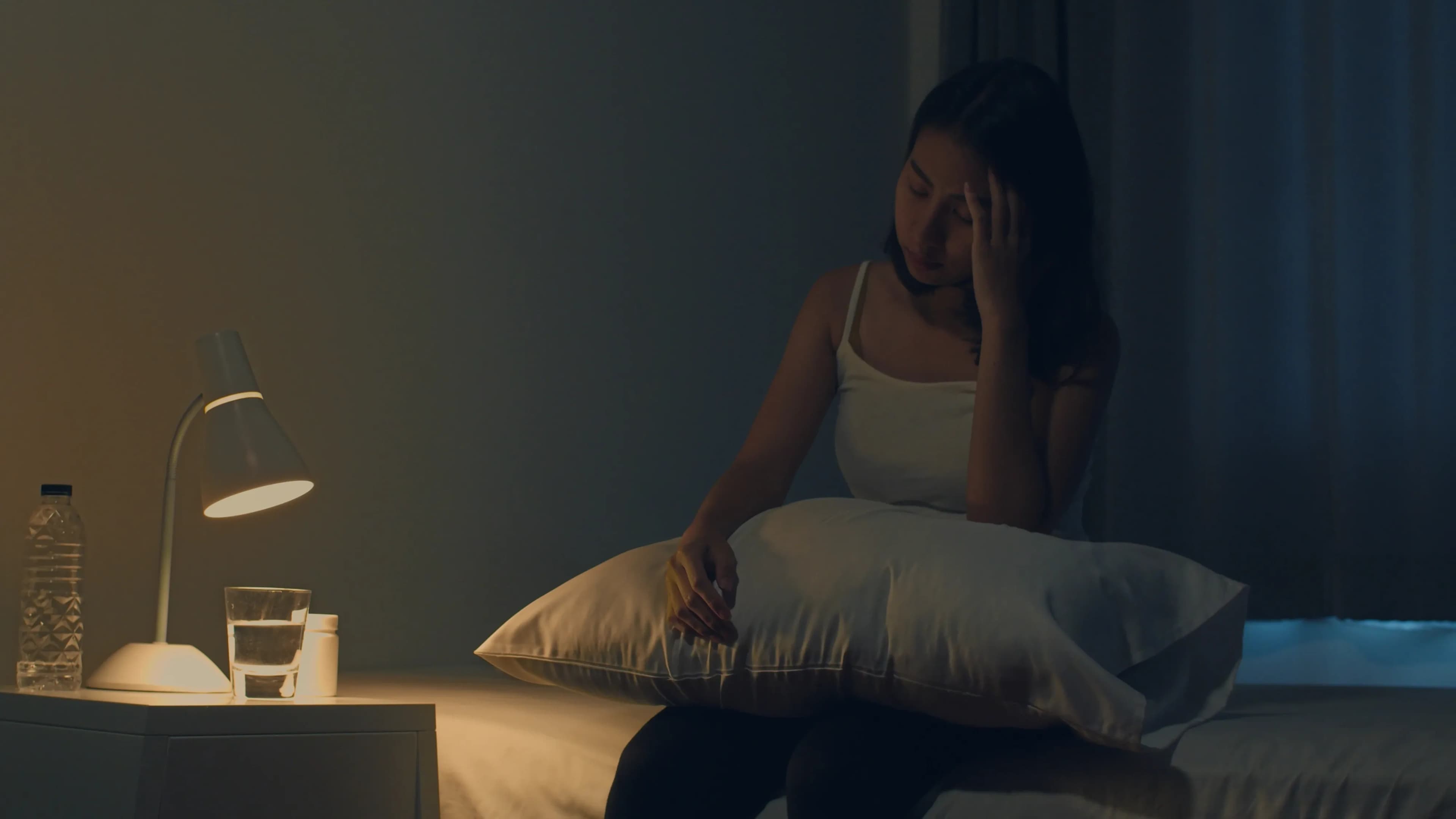
Sleep Disorders Symptoms: Recognizing Chronic Insomnia
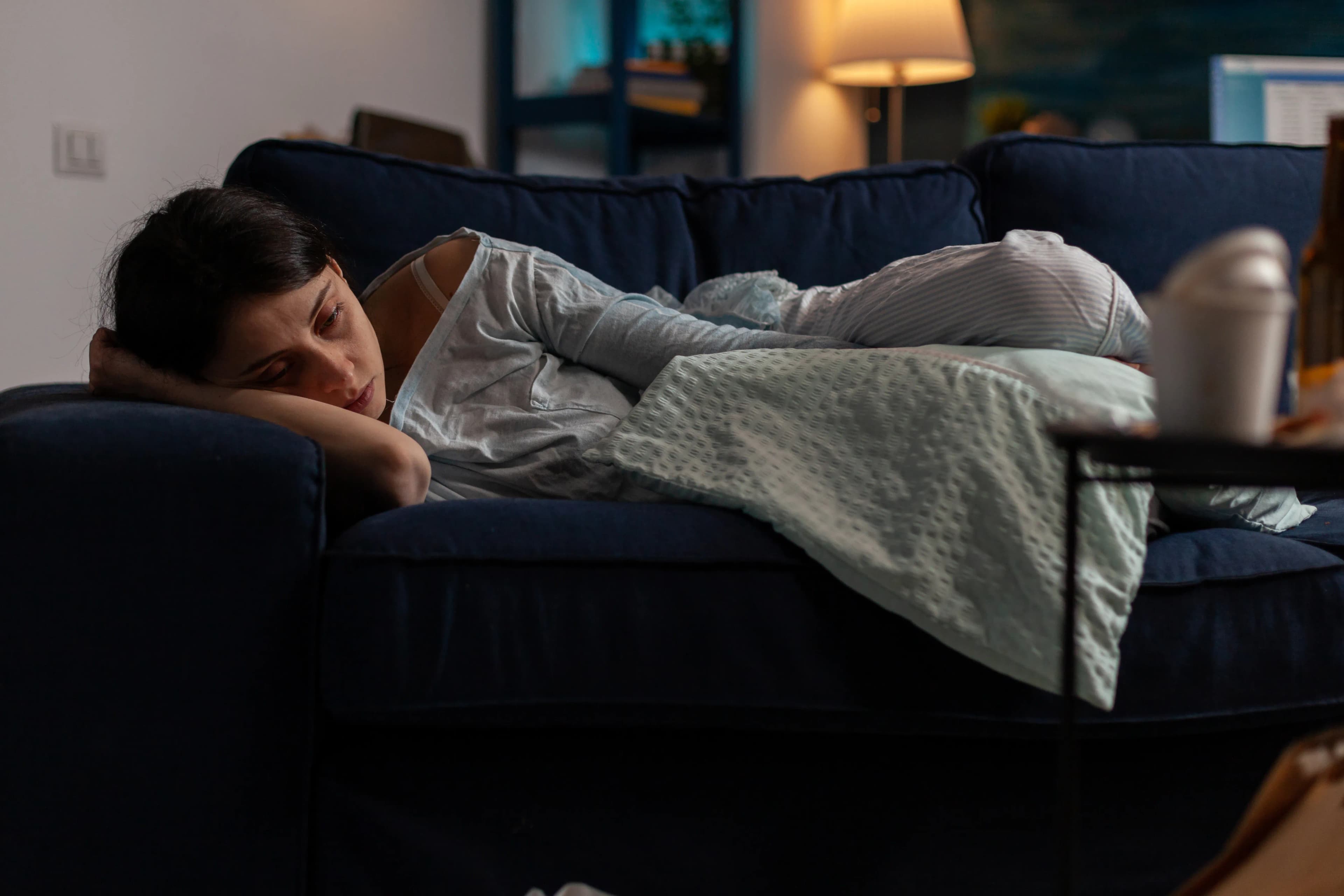
Too many people brush off their sleeplessness, thinking it’s from stress, long work hours, or just another part of everyday life. But when sleepless nights become the norm rather than the exception, it’s natural to wonder if it’s chronic insomnia.
More than 16% of the global population suffer from chronic insomnia. And one out of every three adults experiences at least some symptoms of this sleep disorder.
But even if chronic insomnia isn’t rare, recognizing the symptoms isn’t always easy. If you’ve been questioning whether your sleeplessness is normal or something more, this blog is for you.
In this guide, we look at the symptoms of chronic insomnia in detail, so you can better understand your sleep patterns and know when to seek help. First things first.
What Is Chronic Insomnia?
Chronic insomnia is a long-term sleep disorder that’s defined by persistent difficulty in falling or staying asleep. Clinically, it is diagnosed when sleep difficulties occur at least three nights a week for three months or longer.
Now, chronic insomnia doesn’t just mean you don’t get any sleep throughout the night. You may be dealing with chronic insomnia if you regularly find yourself:
- Lying awake in bed for long periods
- Falling asleep after hours of trying
- Waking up frequently during the night
- Waking up too early
- Feeling exhausted even after spending sufficient time in bed
Over time, these sleep disturbances can show up as fatigue, mood changes, memory issues, and difficulty concentrating, ending up affecting your day-to-day life.
If you are experiencing any of these, understanding the symptoms better can help you understand whether your sleeplessness deserves closer attention.
Understanding Sleep Disorders Symptoms Associated With Chronic Insomnia
Although sleep disruptions are the hallmark of chronic insomnia, the effects often show up outside the bedroom. Your energy levels, emotions, concentration, relationships, and general quality of life may all be affected.
The following are a few of the most typical signs of persistent insomnia:
Difficulty Falling Asleep
As discussed before, the characteristic symptom of chronic insomnia is poor sleep. This may mean you have difficulty falling asleep, you wake up frequently during the night, or wake up too early or exhausted in the morning. While disturbed sleep is often the first sign people notice, many of the effects of chronic insomnia become more apparent during the day.
Waking Repeatedly During the Night
Some people who suffer from chronic insomnia fall asleep normally but wake many times. The sleep comes in short pieces instead of one steady period. You may wake after a small sound or for no clear reason. Going back to sleep may take minutes or even hours.
Waking Too Early
Your alarm is set for 7 a.m., but you are awake at 4:30 and cannot return to sleep. This early-morning waking is another common symptom of insomnia. It is not simply waking early by choice. The problem is being unable to continue sleeping even though you still need rest.
Sleep That Does Not Feel Refreshing
Sometimes you might go to bed and also manage to get sufficient sleep. Still, you wake up feeling as though your body never properly rested. This is often a sign that you aren’t getting deep sleep or that unknowingly, your sleep is getting disturbed multiple times throughout the night.
Daytime Tiredness and Low Energy
Persistent tiredness is one of the first daytime symptoms people notice. Small tasks begin to feel more demanding. Exercise feels harder and even spending time with loved ones may require more effort than usual. Tiredness may not look the same for everyone though. Some people might feel sleepy and even get some sleep during the day. Others might feel exhausted but unable to nap.
Difficulty Concentrating and Memory Problems
Restorative sleep is important for proper cognitive function, and chronic insomnia can make it harder for your brain to perform at its best.
That means you might not be able to perform well in studies or work or struggle with recalling even the simplest of events.
Changes in Mood
If you don’t get enough sleep, naturally, you start feeling more irritated and moody. You might notice that you’ve suddenly become impatient, angry, or more emotionally sensitive than usual. These changes do not automatically mean you have chronic insomnia. But when they appear alongside months of disturbed sleep, they are worth discussing with a healthcare professional.
What Happens if Chronic Insomnia Is Not Treated?
In some cases, chronic insomnia does resolve on its own without treatment. But if it doesn’t, the sleep disorder can have severe long-term effects.
According to research, people with chronic insomnia have a higher chance of being diagnosed with arterial hypertension, anxiety, depression, and obesity. Untreated insomnia can also create its own cycle. You sleep badly, worry about the next night, spend longer in bed trying to compensate, and become more alert around bedtime. What began during a stressful period may then continue even after the original stress has settled.
That’s why it’s important to identify these sleep disorders symptoms early and seek help.
Treating Sleep Disorders Symptoms With Home-Based Care
For someone already running on very little sleep, seeking treatment can feel like yet another task. Dressing up and travelling to a doctor’s appointment or being in a traditional hospital setting may feel daunting, making the patients delay treatment.
That’s why home healthcare services are so helpful for people suffering from chronic insomnia. Patients can continue staying at the comfort of their homes, while treatment reaches their doorstep to help them get the sleep they deserve.
Home healthcare services also make treatment accessible for everyone. Even older adults, people with limited mobility, and patients managing other conditions can also seek treatment without having to worry about travelling or accessibility.
Conclusion
You do not have to keep treating sleeplessness as something you should simply tolerate.
While everyone gets those occasional sleepless nights, persistent problems with falling or staying asleep shouldn’t be ignored.
If the symptoms have become a regular part of your life, a professional assessment can help you understand what is keeping you awake and what type of support may be appropriate.
Talk to us at NADZ Healthcare to receive hospital-level care services for all physical and mental conditions, including sleep disorders, at the comfort of your homes.
FAQs
How do I know if I have chronic insomnia or just occasional sleeplessness?
Almost everyone has occasional sleepless nights. But if sleepless nights are feeling more like a pattern or if disturbed sleep has started interfering with your day-to-day life, it might be chronic insomnia.
What are the most common symptoms of chronic insomnia?
The main symptom of chronic insomnia is poor sleep. This can mean difficulty falling or staying asleep, or even waking frequently throughout the night or waking up too early in the morning.
Other symptoms of chronic insomnia often manifest during the day time and include fatigue, restlessness, irritability and mood swings, difficulty concentrating, and poor memory.
Can chronic insomnia affect my mental and physical health?
Yes. If left untreated, chronic insomnia can affect your emotional, physical, social, mental, and even financial well-being. People with long-term insomnia are more likely to develop arterial hypertension, anxiety, and obesity.
Can chronic insomnia go away on its own?
In some cases, chronic insomnia does go away on its own. But many times, chronic insomnia can persist or even recur, even if the original cause doesn’t exist anymore.
Can chronic insomnia be treated through home healthcare?
Home healthcare services are one of the best ways to treat chronic insomnia. Considering many insomnia patients are older adults or people who are already dealing with other conditions, home healthcare services make sure everyone can access the proper treatments.
More Posts

Knee Cracking When Standing Up: What It Means and When to Act

Brain Mapping Techniques for Cognitive Health at Home

What is Brain Mapping? Brain Activity and Cognitive Health

Benefits of Taking Flu Vaccine with Home Healthcare

What Are PCR Tests? Safe Home Healthcare Testing