NIPT vs CVS: Why One Test Has Zero Miscarriage Risk
Pregnancy is both a wonderful and somewhat daunting experience as it comes with a lot of uncertainty and anticipation for both parents. There are so many important decisions to make, and one such decision is about choosing the right prenatal screening or diagnostic testing to make sure both the mother and the newborn are healthy.
Two important prenatal tests include NIPT and CVS tests. NIPT is a non-invasive blood test that analyzes fetal DNA to detect chromosomal abnormalities, while a CVS is an invasive diagnostic test that uses tissues from the placenta of the mother to confirm genetic issues in the baby.
Many new parents get confused between NIPT vs CVS and cannot make a timely decision, which affects the long-term health of their newborn. This blog covers both these tests in detail and highlights why one of these tests has zero miscarriage risks.
What is NIPT?
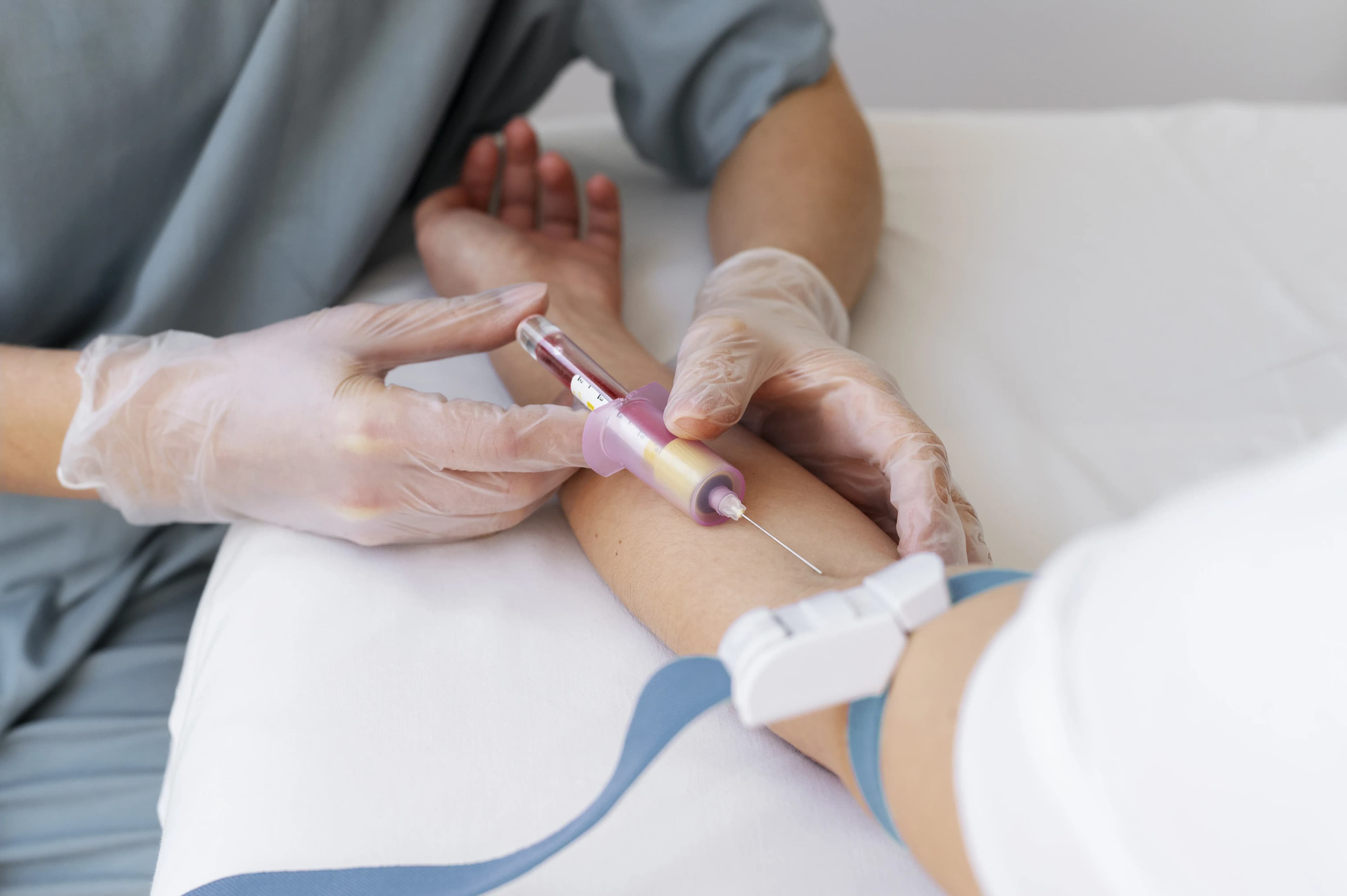
NIPT or Non-Invasive Prenatal Testing refers to screening tests that allow you to evaluate the risk of specific chromosomal abnormalities in a pregnancy. Instead of directly sampling fetal tissue, NIPT analyzes cell-free fetal DNA or cffDNA that circulates in the mother’s bloodstream. The cffDNA comes from the placenta of the females and it carries essential genetic information about the baby. Home healthcare services in Dubai conduct this blood test at around the 10th week of the pregnancy to screen for sex chromosome abnormalities and common aneuploids including Down syndrome (Trisomy 21), Edwards syndrome (Trisomy 18), and Patau syndrome (Trisomy 13).
Since NIPT is a basic screening test that only involves taking a blood sample from your veins, it doesn’t carry any miscarriage risks at all.
Key Features of an NIPT Test
Here is what makes NIPT tests an attractive option for monitoring the health of the fetus.
- This test is non-invasive. There is no risk of harm to the uterus and the surrounding organs, as only a routine maternal blood sample is enough for the assessment.
- Research shows you can perform this test as early as 10 weeks of pregnancy. This results in earlier risk assessment and clinical decision-making than other screening methods.
- This test is highly accurate for detecting chromosomal abnormalities, and that is what makes it the top choice for many women.
- You do not need to visit a clinic or wait in labs to give samples for this test. You can contact home care nursing services and ask them to collect the samples from home.
- NIPT tests reduce uncertainty or anxiety during pregnancy. These tests enable doctors to better plan your pregnancy and prepare you for what is to come next.
What is CVS?
Chorionic Villus Sampling or CVS is an invasive diagnostic procedure where specialists take a small tissue sample from the placenta of the mother to confirm the baby’s genetic makeup.
First, they pass a thin catheter through the cervix or insert a fine needle through the abdomen using ultrasound data to collect cells. They analyze these cells to diagnose genetic or chromosomal abnormalities.
Doctors perform this procedure between the 10th and 13th week to analyze all 23 pairs of chromosomes of the baby comprehensively. This allows them to detect a wide range of chromosomal abnormalities and single-gene disorders with a high level of accuracy. Since a CVS is a more invasive procedure, it comes with a very small risk of miscarriage.
Research shows there is a procedure-related miscarriage risk of approximately 0.22% or 1 in 455 in the case of CVS tests. Studies also reveal other complications of this procedure, including vaginal spotting or bleeding, cramping, infections, amniotic fluid leakage, and confined placental mosaicism.
NIPT vs CVS Tests: Key Differences
Purpose
NIPT is mainly a screening test that helps you assess the risks of certain chromosomal abnormalities. A test with a high-risk outcome indicates a higher likelihood of abnormalities.
CVS, on the other hand, is a diagnostic test that analyzes fetal chromosomes to confirm the presence of specific chromosomal abnormalities without a shadow of a doubt.
Timing
There is a notable difference in timing between these tests. You can go through an NIPT lab test at home Dubai after 10 weeks of pregnancy. You can also do it at any other time during pregnancy.
For CVS, you have to wait for 10 to 13 weeks after pregnancy to get more accurate data.
Miscarriage Risk
With NIPT tests, there are no risks of procedure-related miscarriages, as this process is minimally invasive. A CVS requires doctors to extract tissues from the mother’s placenta, which makes it a risky approach in some cases.
Accuracy
NIPT is an accurate prenatal screening test. Research shows this test can detect Down syndrome (Trisomy 21) with over 99% sensitivity. This makes it the most accurate non-invasive prenatal screening test currently available.
This test also gives you a high detection rate for Edwards syndrome and other fetal abnormalities. However, since it is mainly a screening test, you cannot rely on it completely to confirm the presence of a chromosomal issue.
Every high-risk NIPT test result requires you to go through a CVS afterwards. This means it is still an effective way to determine whether you need a diagnostic test or not.
CVS is a diagnostic test. It looks into the genetic material of the fetus directly, and that is what allows healthcare experts to confirm abnormalities.
Results
The results of an NIPT test are either low risk or high risk. Low-risk means there are no abnormalities and there is no need for a CVS. High-risk NIPT results usually indicate a need for a CVS.
CVS, on the other hand, directly tells you about the presence or absence of specific chromosomal abnormalities.
Recovery
The recovery after an NIPT testing at home is very quick. You can instantly return to your normal activities after giving blood. With CVS, however, you might experience temporary symptoms like cramps or spotting, which go away on their own.
When Might Your Doctor Recommend NIPT or CVS?
Doctors recommend NIPT or CVS tests after looking at your medical history, age, ultrasound findings, personal preferences, pregnancy, and overall health.
Specialists recommend an NIPT test if you are at least 10 weeks pregnant and you want early but accurate information about the probability of chromosomal abnormalities of the fetus in a non-invasive manner.
On the other hand, you need a CVS if your NIPT shows a higher risk result. Doctors also recommend this test if there is a family history of such conditions or when ultrasound findings raise concern for a genetic disorder.
Conclusion
Many new parents get confused when deciding between a low-risk and accurate NIPT test or a CVS test to assess chromosomal abnormalities during pregnancy. Both of these tests are different in terms of their purpose, procedures, and safety. NIPTs are non-invasive blood tests with zero miscarriage risks. CVS tests, on the other hand, require placental tissues from mothers, which makes them more invasive and slightly risky.
However, the choice between these tests mainly depends on your pregnancy risks, family history, personal preference, and ultrasound results. So, make sure to consider all of these factors and consult with an experienced home healthcare service to make a safer choice both for you and the baby.
Visit us at NADZ Healthcare today if you are an expectant parent who wishes to schedule a safe and highly accurate NIPT test to make more informed decisions about the health of both the mother and the baby.
Our fully trained and DHA licensed staff conducts this blood test in the comfort and privacy of your home which eliminates the stress of clinic visits and leads to more peace of mind in this time of uncertainty.
FAQs
What is the right timing for NIPT and CVS tests?
For a CVS test, you have to visit the clinic between the 10th and 13th week of the pregnancy. For an NIPT, you have to give blood samples around the 10th week.
What makes an NIPT and CVS test different?
NIPT tests are non-invasive, and you only need to give standard blood samples to get the results. CVS tests are invasive diagnostic procedures where doctors take samples from your placenta.
Is there a miscarriage risk with an NIPT?
As NIPT only requires a routine maternal blood draw, it carries virtually zero risks of miscarriage.
What does a high-risk NIPT result mean?
This result indicates a high likelihood of specific chromosomal conditions. However, it does not confirm the presence of the abnormalities. For this purpose, you need a CVS test.
What are the chances of miscarriage after a CVS test?
The chances of miscarriage with this procedure are about 1 in 100 or 1 in 200, as cited by major health organizations.
More Posts
Types of NIPT Tests: What Basic Panels Don't Catch
What Is a NIPT Scan? A Complete Guide for Expectant Parents

What Is Chronic Anxiety Disorder? How It Differs from Normal Anxiety

What Are the Symptoms of Anxiety Disorder: Common Indicators

What Is Home Care Nursing? Complete Guide