
Women's health physiotherapy: The Care You You Need
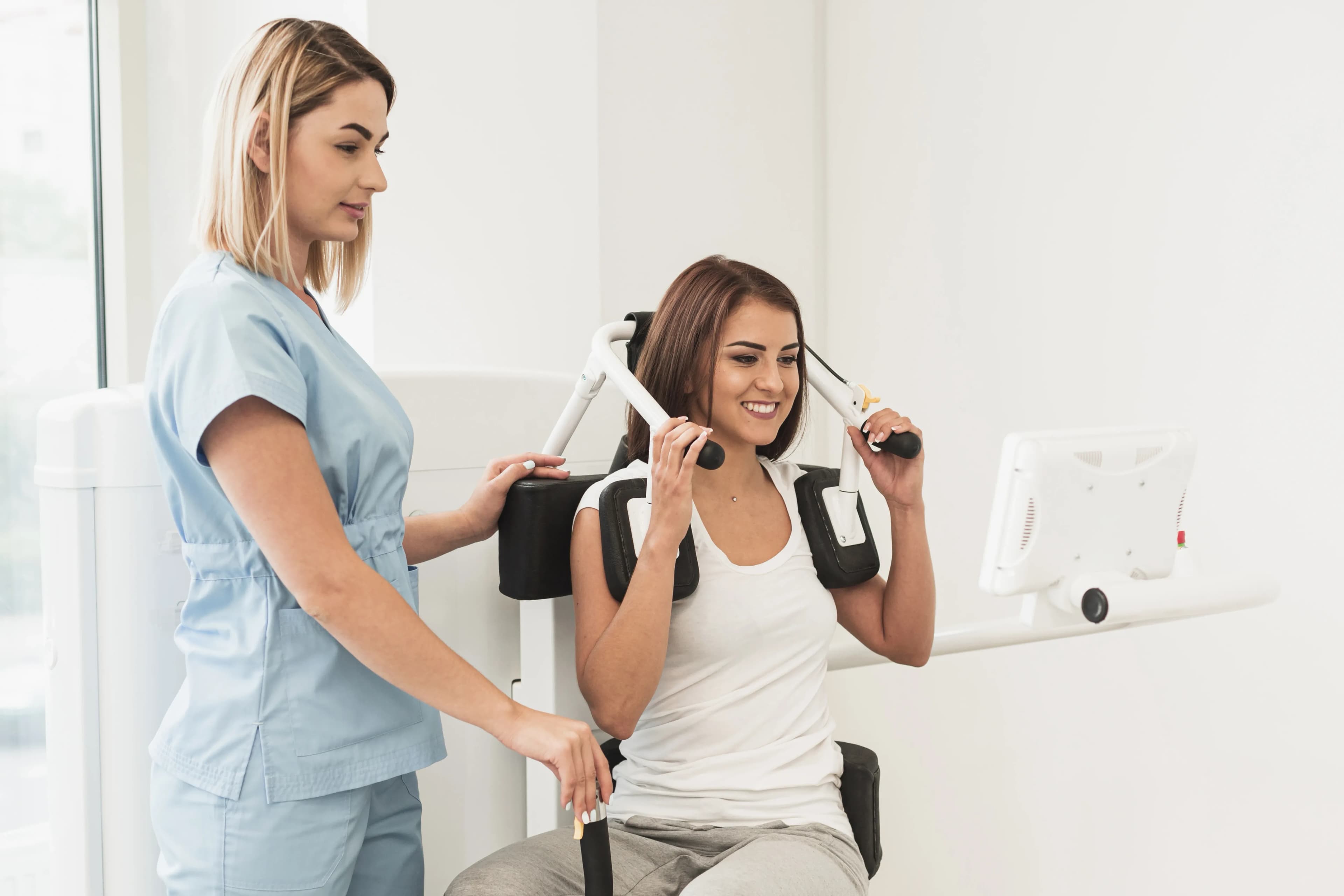
Women tend to postpone taking care of their own health as they have a number of obligations to attend to. Symptoms such as back pain, pelvic pain, or abdominal pain at the lower part of the abdomen are usually overlooked or even accepted as normal changes in the body.
These symptoms in most instances are connected to the functioning of the core and pelvic muscles. When these muscle systems are weak, overactive or poorly coordinated, usually following pregnancy, continued strain or inactivity, the body is deprived of the ideal support of the spine and pelvis. This may cause chronic pain and decreased stability in daily activities.
The aim of women's health physiotherapy is to detect these underlying movement and muscle control problems and strive to normalize them by assessing them and providing rehabilitative care.
The Hidden Struggles Many Women Live With
The body of women undergoes major physical and hormonal changes at various life stages including menstruation, pregnancy, childbirth, and menopause. Every single stage is challenging in its own way, and it is not open to discussion.
Among the issues that have been overlooked most often, there are:
- Constant back pains or pelvic pain that is brushed aside as normal fatigue.
- Weakness in core muscles after pregnancy
- Leakage of urine with sneezing, coughing or exercise.
- Experience of heaviness or pressure in the pelvic area.
- Pain or discomfort when moving or having intimacy.
The reason why these conditions are alarming is not only their existence but its passive acceptance by most women who do not even seek help. In the long run, this may impact on posture, confidence, and functional daily living.
What Women’s Health Physiotherapy Actually Focuses On
Women’s health physiotherapy is not limited to pain relief. It is concerned with the role of the deeper muscles of the body, particularly the pelvic floor and core, in assisting movement, stability and the functioning of internal organs.
This is usually done through:
- Evaluation of muscle strength, coordination, and control and not symptoms only.
- Recognizing malfunction of pelvic floor or core engagement.
- Retraining muscles to function in a coordinated and efficient way
- Enhancing posture and movement patterns that are potentially causing pain or weakness.
- It is extremely specific to individual body changes, particularly following pregnancy or long-term inactivity, unlike general exercise advice.
Why Postpartum Recovery Needs Structured Rehabilitation
The body does not just resume normalcy immediately after giving birth. The muscles of the abdominal wall, the pelvic floor and ligaments are strained and stretched and require time and adequate rehabilitation.
Some women can still have:
- Chronic lower back pain.
- Difficulty regaining core strength
- Bladder control issues
- Instability during standing or walking.
In a gradual way, these systems are rebuilt with the help of structured physiotherapy. The emphasis is not on the pushing of the body but the re-establishment of control and coordination in a secure and progressive manner.
The Benefits of Home-Based Physiotherapy
Accessibility and time is one of the greatest obstacles to regular care. A lot of women postpone treatment because they do not make clinic appointments as a part of their schedule.
This is altered by home-based physiotherapy.
It allows:
- Treatment in a familiar and comfortable environment
- Better understanding of daily movement patterns and habits
- Transparent discussion of sensitive issues.
- Regularity without traveling or queues.
This environment tends to result in more realistic and functional rehabilitation since exercises are modified to real-life conditions and not a clinical setup alone.
When It’s Time to Seek Help
One myth is that the symptoms have to get so bad that they warrant attention. Factually, early intervention will result in improved and quicker recovery. Support must be taken into account in case there are:
- Pain in the pelvic or back which does not go away.
- Any form of bladder leakage
- Perceptible post-partum weakness.
- Pain when performing normal activities such as walking, bending, or lifting.
- A feeling that the body is no longer as stable as it used to be.
They are not matters to overlook or to accept. They are frequent indicators of muscle dysfunction that can be improved through special treatment.
Final Thoughts
Most women silently adapt their lives to discomfort without the knowledge that there is efficient treatment. Women health physiotherapy is not only aimed at the management of symptoms, but also at the restoration of confidence in the body movement and feeling.
Even old problems can be made to be better with the proper approach. It is not about perfection but rather about assisting the body to perform a role that feels strong, stable and supported in daily life.
More Posts
Types of STD Tests for Early Detection Offered by Home Healthcare Providers

Is HIV and STD Testing the Same? Home Healthcare Screening Options

Low Vitamin D Symptoms: Why You Feel Tired All the Time in the UAE
Plantar Fasciitis: The Real Reason Behind Your Heel Pain
What Is STD Testing? Private Screening With Home Healthcare
