
How DNA Test Is Conducted: Step-by-Step Guide

For many individuals, the hardest part of DNA testing is not the sample collection itself. It is the anxiety before entering the hospital or diagnostic center due to fear of judgment, awkward conversations, privacy concerns, or medical procedures.
Knowing how DNA test is conducted may help patients feel calmer and more prepared before the procedure.
What Is DNA Testing?
DNA testing is a healthcare or scientific procedure used to examine an individual’s hereditary information. It may assist with identifying biological connections, inherited traits, genetic disorders, or certain health-related conditions.
DNA analysis is frequently performed for:
- prenatal examinations
- hereditary wellness assessments
- family-associated evaluations
- legal or identification-related purposes
- fatherhood or relationship verification
The exact workflow may differ slightly depending on the kind of hereditary examination being carried out.
The Complete Process of How DNA Test Is Conducted
The screening process follows an organized clinical system within a healthcare institution or pathology facility.
1. Patient Registration and Medical Guidance
The procedure starts with patient enrollment. Basic personal details and identification records are obtained before the screening begins.
In certain situations, a healthcare specialist explains:
- the objective of the examination
- the category of specimen needed
- expected outcomes
- confidentiality measures
Some hereditary assessments may additionally require signed approval documents.
2. Specimen Collection
After enrollment is completed, the specimen is gathered carefully using healthcare safety procedures.
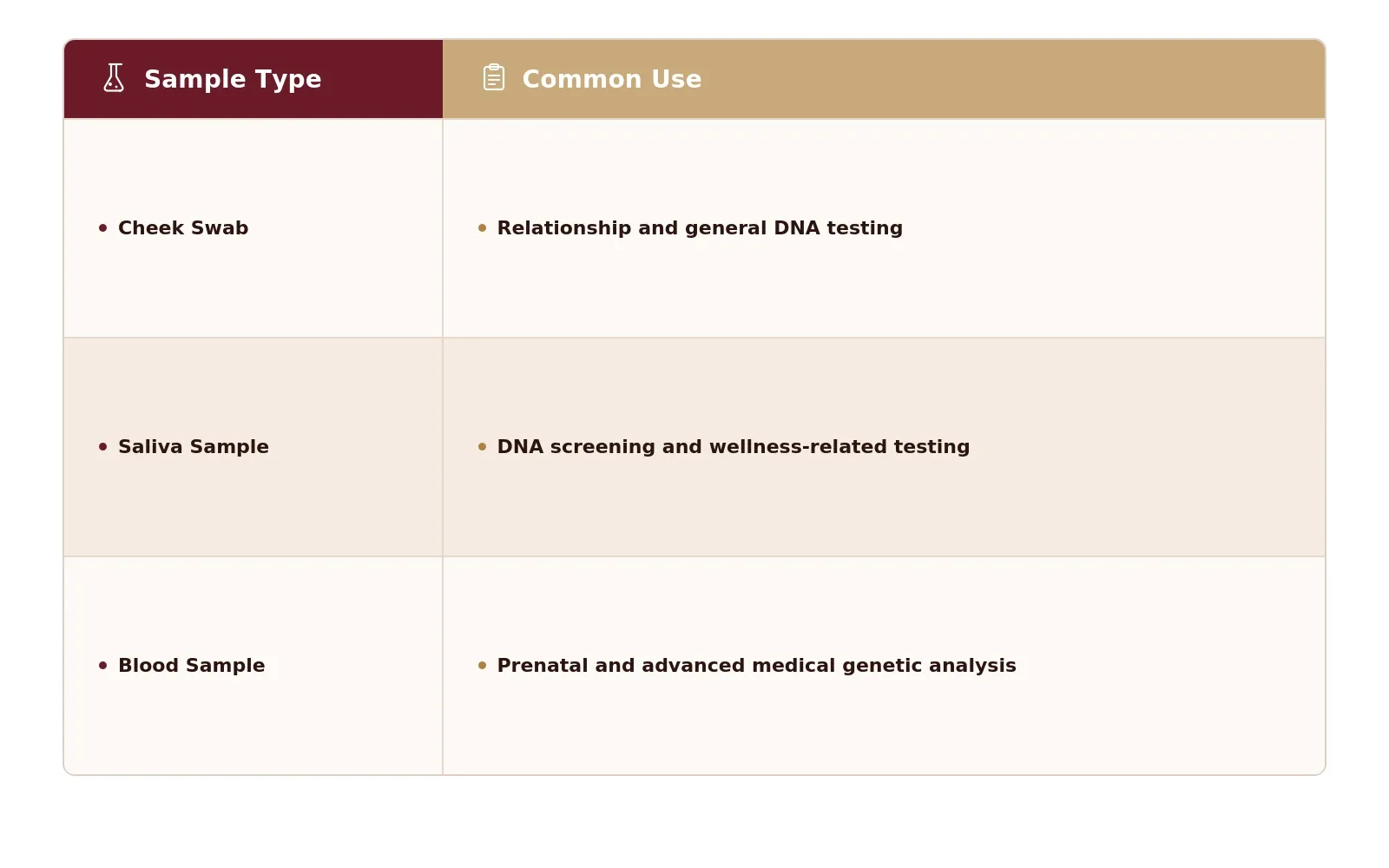
Depending on the examination, the facility collects:
- oral cheek swabs
- saliva extracts
- blood specimens
Cheek swab collection remains one of the most frequently preferred methods because it is simple and almost painless. During the procedure, a sterile swab is gently rubbed inside the mouth to gather cells containing genetic material.
Blood extraction may be necessary for certain advanced or pregnancy-related genetic evaluations.
3. Specimen Identification and Protected Storage
Following collection, the specimen is sealed and identified carefully. Diagnostic facilities follow strict storage and transportation procedures to prevent contamination or specimen confusion. Even a minor handling issue may influence result dependability.
For certain legal or identity-related evaluations, additional chain-of-custody authentication procedures may also be followed.
4. Laboratory Genetic Evaluation
The gathered specimen is then transferred to a certified diagnostic facility for examination.
Inside the laboratory, professionals separate genetic material from the specimen and evaluate selected genetic indicators using techniques such as STR (Short Tandem Repeat) analysis.
The examination duration may differ depending on the complexity of the assessment.
5. Report Creation and Result Sharing
Once the evaluation is completed, the findings are reviewed and organized into a healthcare report.
Reports may be delivered:
- digitally
- through secure online portals
- during medical consultations
- directly by the healthcare provider
Most healthcare institutions and laboratories maintain strict DNA test results privacy practices during report sharing, ensuring that findings reach only the authorized individuals.
Is DNA Testing Safe?
In most situations, DNA screening is considered secure and minimally invasive.
Cheek swab and saliva collection do not cause discomfort. Blood-based evaluations may only involve mild needle-related irritation similar to standard blood testing.
Healthcare specialists also follow sterilization and hygiene measures throughout the collection procedure.
Precision and Privacy in How a DNA Test Is Conducted
Modern scientific methods offer extremely high levels of genetic testing accuracy when specimens are gathered and processed correctly.
Still, precision may depend upon:
- specimen quality
- proper management
- laboratory standards
- evaluation methodology
Privacy is another major aspect of hereditary screening. Trusted healthcare providers protect patient records using secure reporting systems and restricted laboratory access.
Common Myths Around DNA Testing
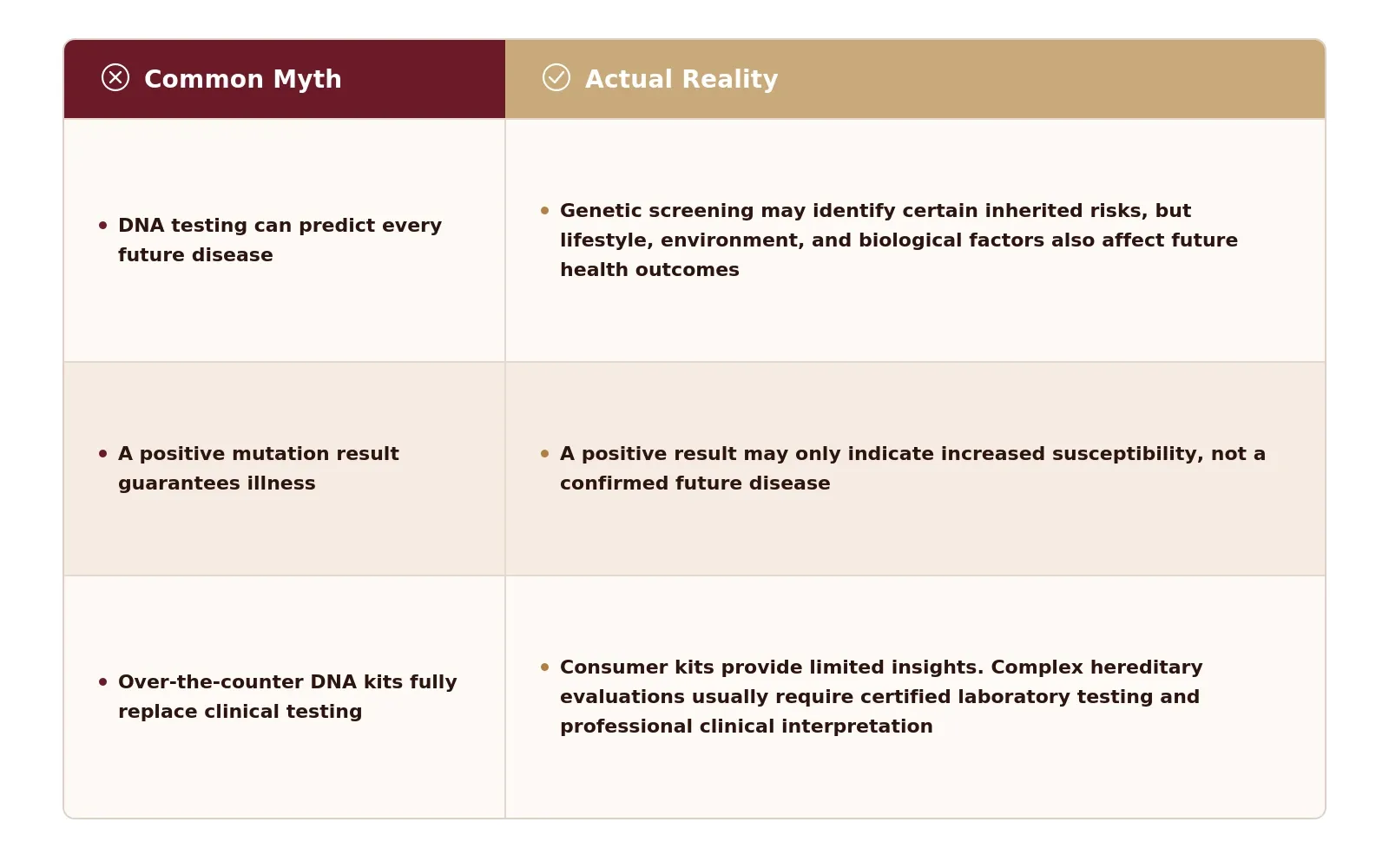
Several people incorrectly interpret what hereditary assessments are truly capable of identifying. Although modern genetic analysis has become highly sophisticated, many beliefs surrounding DNA examinations remain inaccurate.
NADZ Healthcare offers patient-centered DNA testing with secure specimen handling, confidential reporting, and professional healthcare guidance. Schedule a private consultation today for dependable and professionally managed genetic testing support at home.
FAQs
Is a DNA test 100% true?
DNA tests are reliable when certified labs handle them the right way. But mistakes can happen. Bad samples, poor handling, contamination, or rare mutations can affect the results.
Can a 99.9 DNA test be wrong?
A 99.9% result is highly dependable. Still, mistakes in collection, handling, or contamination can sometimes affect the final report.
How is DNA sample collected?
DNA samples are most commonly collected through a cheek swab, where a sterile swab is gently rubbed inside the mouth. In certain cases, a saliva sample or blood draw may be used depending on the type of test being conducted.
At what age can DNA be done?
DNA testing may be performed at nearly any age, including infancy. The most suitable method depends on the healthcare objective and medical recommendation.
More Posts

What Is Chronic Anxiety Disorder? How It Differs from Normal Anxiety

What Are the Symptoms of Anxiety Disorder: Common Indicators

What Is Home Care Nursing? Complete Guide

How to Treat Social Anxiety Disorder: Steps Toward Confidence

Why Do You Feel Worse After a Rest Day? The Physiology Behind It