
Is HIV and STD Testing the Same? Home Healthcare Screening Options
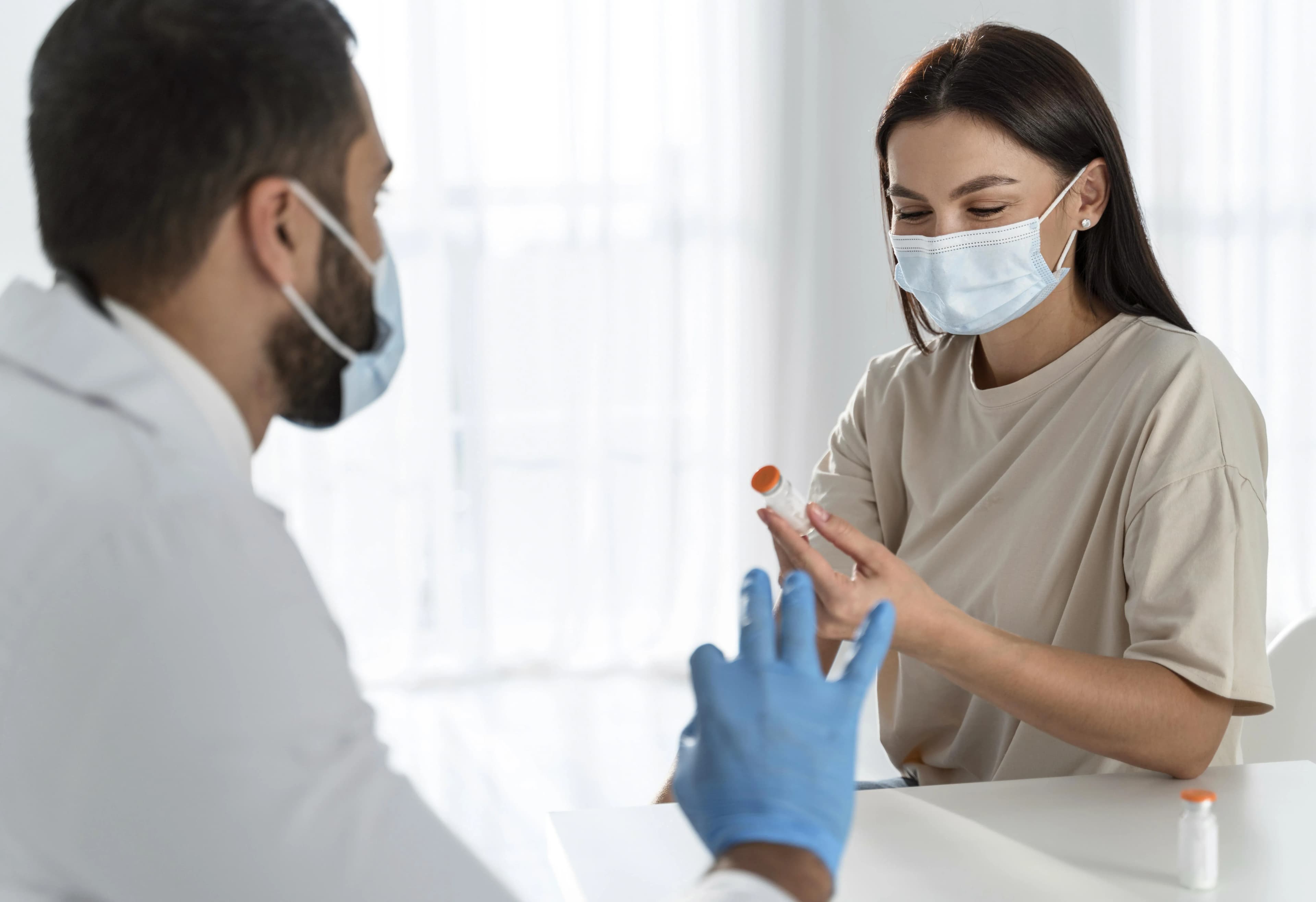
Home healthcare services have brought a revolution in the way patients receive medical assistance. Both medical diagnosis and treatment have become more private, convenient, and accessible even for patients with mobility issues.
One major service where most patients prefer home healthcare services in Dubai is sexual health testing. Home screening for HIV and sexually transmitted diseases (STDs) is a growing trend as it revolves around discretion and the patient’s comfort. However, many patients who feel reluctant to get this screening at home ask a common question: is HIV and STD testing the same when you get it through a home healthcare service?
The quick answer, no. HIV and STD testing are not the same in terms of their scope, purpose, or diagnosis approach. This blog explores the differences between the two to help you make a more informed choice when it comes to your sexual health.
Basics of HIV and STDs
Let’s first take a look at HIV and STDs in general before we get into home testing for these sexual illnesses.
HIV
HIV stands for Human Immunodeficiency Virus (HIV). This deadly virus attacks your body’s immune system, specifically CD4 cells (T cells). HIV progresses to AIDS if the patient doesn’t get timely treatment. HIV AIDS is a serious medical condition where your immune system becomes so fragile that even minor infections become life-threatening.
Studies show there were about 1.3 million new HIV infections in 2024, which is equivalent to approximately 3,500 new infections per day globally.
HIV mainly spreads through unprotected sexual contact and sharing needles. This disease can also spread from blood transfusions involving infected blood. In some cases, mother-to-child transmission during childbirth or breastfeeding can also take place.
STDs
STDs or Sexually Transmitted Diseases (STDs) are infections that spread specifically through sexual contact or intimate skin-to-skin interactions. Data from the WHO shows there are about 129 million new cases of Chlamydia, 82 million new cases of Gonorrhea, and 7.1 million new cases of Syphilis per year.
Since many STDs do not become visible for some time, regular testing is extremely important for all sexually active individuals. Some common symptoms to look for include abnormal discharge from genitals, burning or pain during urination, rashes/sores/bumps in genital areas, and pain during sexual intercourse.
Some common examples of STDs include:
- Chlamydia
- Gonorrhea
- Syphilis
- Trichomoniasis
- HIV
- Herpes
- HPV
- Hepatitis B
What Does an HIV Test Specifically Screen For?
The purpose of an HIV test is to identify the presence of a specific Human Immunodeficiency Virus. This virus attacks white blood cells specifically, which weakens your immunity.
HIV testing or screening looks for HIV antibodies, HIV antigens, and Viral RNA. Home healthcare services send licensed medical professionals to collect blood samples privately at the patient’s residence. After collection, they conduct laboratory analysis through accredited diagnostic centers to make sure the patient doesn’t have this virus.
Home-based screening for HIV offers greater privacy as well as confidential scheduling. It also reduces emotional stress while the patient receives professional medical guidance without visiting a clinic. This lifts some of the pressure off and creates a more dignified sexual healthcare experience.
HIV Testing at Home
Here is what a typical at-home HIV testing process looks like.
Step 1
The process starts when the patient books an HIV test online from a mobile app or website. The patient needs to fill out a questionnaire in this step to help the healthcare teams prepare for the sample collection.
Step 2
The next step is the delivery of the HIV testing Kit to your home. This kit contains general instructions, a testing device or collection materials, a sterile lancet (for blood tests) or oral swab, alcohol wipes, gloves, etc.
Step 3
In the next step, the sample collection is done at home. Professionals use finger prick method to collect blood samples on a card or in a tube. Then they seal this sample in a biohazard bag.
Step 4
Then, the home healthcare services ship this sample to an accredited lab for testing.
Step 5
The sample analysis in the lab takes about 1-5 days. High-sensitivity immunoassays detect the presence of HIV antibodies and p24 antigen in this analysis.
Step 6
After analyses, healthcare services give you the results through a mobile app, website, or SMS.
Step 7
And finally, these services help you interpret results and refer you to HIV care if the results are reactive.
What Is Included in a Full STD Screening?
Unlike HIV tests that aim to detect certain viruses, a complete STD screening panel varies based on things like the symptoms, risk factors, medical history, and physician recommendations.
For STD testing, healthcare teams choose different types of samples based on the type of infection the patient has. Testing for STDs may include blood samples, urine samples, physical symptom assessment, and swab testing.
Not every STD infection appears in standard screening. This means personalized consultation is key when it comes to STD detection. Home healthcare services ensure the testing suits the health concerns as well as the condition of the patient.
STD Testing at Home
STD testing at home is a convenient and more private way for you to stay on top of your sexual health. Here is how this process follows.
Step 1: Online Ordering and Risk Assessment
First, you schedule STD testing at home through an app or a website. Some services ask you to fill out a questionnaire. It includes things like your recent sexual activity and possible exposure, symptoms, types of sexual contact (oral, vaginal, anal), and previous STD history. This information helps the service decide whether you need a basic or comprehensive STD screening.
Step 2: Kit Delivery to Your Home
Home healthcare service then ships the kit to your address. This kit contains basic instructions along with some medical tools for the collection of samples.
Step 3: Sample Collection at Home
This key step varies based on the type of STD you have. Healthcare services collect Urine samples to detect bacterial STDs like Chlamydia, Gonorrhea, etc. To detect infections at specific sites, they collect swab samples. And to detect blood-borne infections like HIV, syphilis, or hepatitis, finger-prick blood samples are collected.
Step 4: Packaging and Return Shipment
Experts seal these samples in a biohazard container and send them to certified labs for testing.
Step 5: Laboratory Analysis
Labs use advanced methods like NAAT/PCR testing, Antibody/antigen tests, and Confirmatory testing to detect STDs accurately.
Step 6: Result Reporting
After analysis, healthcare professionals deliver results through online portals, mobile apps, Email, or SMS notifications in 2 to 7 days.
Step 7: Medical Review and Interpretation
In this step, reputable home healthcare services help you interpret the results in plain language. They also provide treatment recommendations based on these results.
Benefits of Choosing Home Healthcare for Sexual Health Screening
Sexual health is extremely personal, and the emotional burden of seeking a screening can lead to unnecessary delays. Many patients suffer more only because they feel reluctant to visit a clinic for STD or HIV testing.
- Home healthcare and STD testing make this whole experience more discreet, accessible, and private for all.
- Patients who feel uncomfortable having this conversation in public settings and don’t want the stress of running around in different clinics or labs can use at-home testing to get rid of unnecessary pressure.
- Home testing for these illnesses is more convenient as it saves you travel time and eliminates scheduling difficulties.
- It is a perfect option for busy professionals, elderly individuals, and people with disabilities who want to take better control of their sexual health.
Conclusion
STD and HIV testing are not the same. Though HIV testing is an important component of STD screening, the test itself differs greatly in terms of purpose, procedure, and results.
HIV testing mainly involves the detection of a specific virus. STD testing on the other hand involves screening for multiple infections using different samples or diagnosis methods.
Home healthcare services that provide STD and HIV testing ensure every patient is able to detect these serious health conditions without fearing judgment, embarrassment, or discomfort.
More Posts
Types of STD Tests for Early Detection Offered by Home Healthcare Providers

Low Vitamin D Symptoms: Why You Feel Tired All the Time in the UAE
Plantar Fasciitis: The Real Reason Behind Your Heel Pain

What Is STD Testing? Private Screening With Home Healthcare

How DNA Test Is Conducted: Step-by-Step Guide