
Understanding Knee Pain: Causes, Clinical Features, and the Role of Physiotherapy in Management.
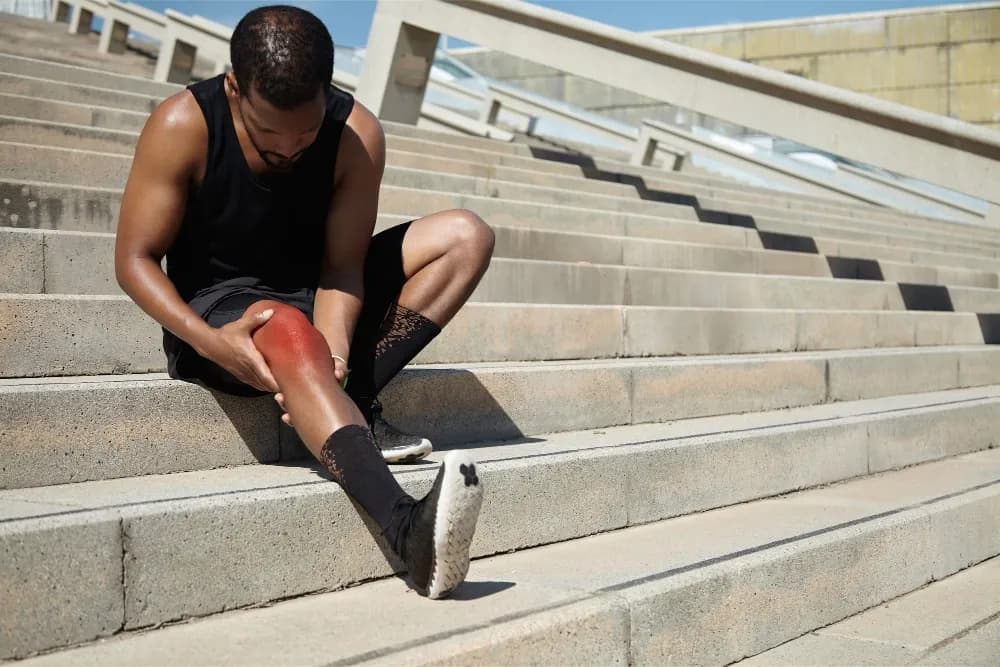
Knee pain is among the most frequently encountered musculoskeletal complaints in clinical practice. The knee joint is essential for mobility, weight-bearing, and functional tasks like walking, climbing stairs, running, and squatting. Because of its intricate structure and continuous mechanical stress, the knee is especially prone to injury and degenerative changes. Knee pain can impact people of all ages, from athletes to the elderly, and may significantly hinder daily activities and quality of life if not properly managed.
Common Causes of Knee Pain
Various underlying conditions can contribute to knee pain, including:
Osteoarthritis This degenerative joint disorder is marked by the progressive deterioration of articular cartilage, leading to pain, stiffness, swelling, and diminished functional ability.
Ligament Injuries Knee ligaments, including the anterior cruciate ligament (ACL), posterior cruciate ligament (PCL), medial collateral ligament (MCL), and lateral collateral ligament (LCL), can be injured by trauma or excessive mechanical stress.
Meniscal Injuries Meniscus tears typically result from twisting motions, abrupt directional shifts, or degenerative changes, causing pain, joint locking, and limited mobility.
Patellofemoral Pain Syndrome This condition is marked by pain around or behind the kneecap, frequently resulting from muscle imbalances, poor biomechanics, or excessive stress on the patellofemoral joint.
Tendinopathy Excessive use or repetitive strain can cause inflammation or degeneration of the tendons around the knee, such as patellar tendinitis.
Clinical Symptoms
- Patients who experience knee pain may report the following symptoms.
- Localized or diffuse pain around the knee joint
- Joint swelling or inflammation
- Stiffness and reduced range of motion
- Instability or weakness during weight-bearing activities
- Clicking, popping, or locking sensations within the joint
- Difficulty carrying out functional activities like walking, squatting, or climbing stairs.
Role of Physiotherapy in Knee Pain Management
Physiotherapy is essential for the conservative management and rehabilitation of knee pain. A comprehensive physiotherapy program is designed to alleviate pain, restore joint mobility, strengthen muscles, and improve overall functional performance.
Treatment strategies may include:
- Manual therapy is used to enhance joint mobility and alleviate pain.
- Therapeutic exercises designed to strengthen the quadriceps, hamstrings, and adjacent stabilizing muscles.
- Implement stretching routines to enhance flexibility and alleviate muscle tightness.
- Pain management can be achieved through electrotherapy modalities such as ultrasound therapy or TENS.
- Biomechanical and postural correction to optimize movement patterns
- Functional training aims to restore normal daily activities and prevent recurrence.
Preventive Strategies
Implementing preventive measures is crucial for preserving knee joint health and minimizing the risk of injury.
- Maintain an optimal body weight to reduce stress
- Engage in regular strengthening and flexibility exercises
- Ensure proper warm-up before physical activity
- Use appropriate footwear during sports and exercise
- Avoid repetitive overloading of the knee joint
Conclusion
Knee pain should not be ignored, especially if it hinders daily activities or persists over time. Early diagnosis combined with evidence-based physiotherapy can significantly enhance recovery, improve mobility, and prevent long-term complications.
Seeking an evaluation and personalized treatment plan from a qualified physiotherapist can aid in restoring knee function and enhancing overall well-being.
More Posts
Types of STD Tests for Early Detection Offered by Home Healthcare Providers

Is HIV and STD Testing the Same? Home Healthcare Screening Options

Low Vitamin D Symptoms: Why You Feel Tired All the Time in the UAE
Plantar Fasciitis: The Real Reason Behind Your Heel Pain
What Is STD Testing? Private Screening With Home Healthcare
