
Types of Physiotherapy: Improving Mobility at Home for Elderly
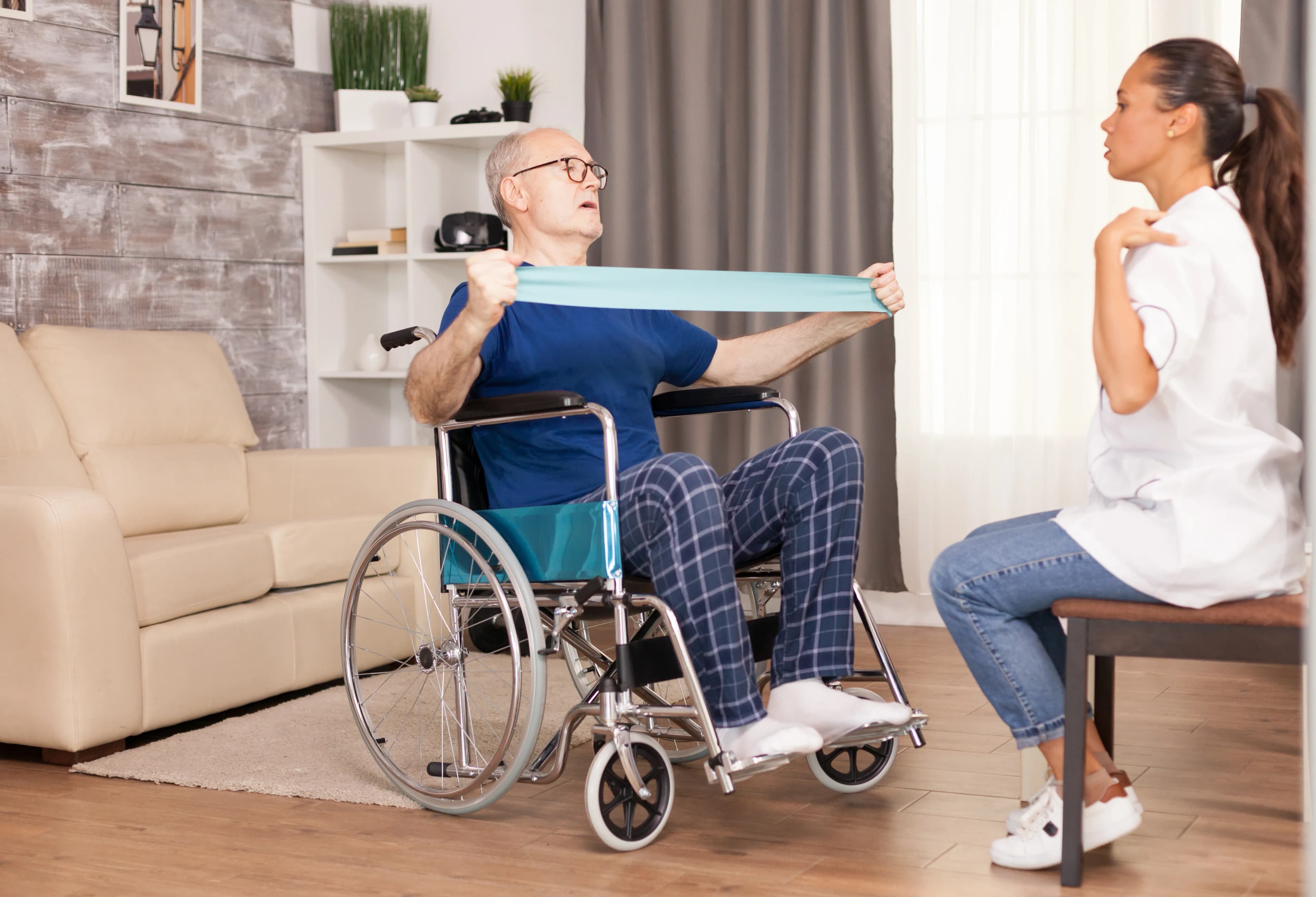
Simple movements tend to become increasingly challenging for elders. Getting out of bed, climbing stairs, and even moving across a room feels tiring and painful. This is called reduced mobility, a limitation in physical movement or moving freely. It affects your physical health, yes. However, it also takes a toll on your independence and confidence to do tasks.
Mobility exercises help you overcome this challenge and gain your movement back. However, making regular hospital visits may not be possible for elders. That’s where at-home physiotherapy comes in using different types of physiotherapy to address issues like stiffness, balance problems, and reduced strength within the comfort of home.
At home, it feels different as it’s less clinical. You are not adjusting to the treatment. Rather, the treatment adjusts to you. The goal stays simple: move better, hurt less, and get back to your routine safely and comfortably without constantly thinking about your body.
We’re going to take a look at common mobility issues in elderly, the reason behind them, and how to solve them. We will also share how you can access elderly home care in Dubai for best recovery!
Why Older Adults Experience Mobility Issues?
As people age, they experience mobility challenges. It can look like simply slowing down in every day tasks to requiring walking aids and other kinds of support to move around confidently. But why? It happens for various reasons like:
- Aging, leading to weaker muscles and slower reflexes
- Bone-related health conditions like arthritis and osteoporosis
- Problems with the nervous system (brain, spinal cord, and nerves) like Parkinson’s
- Challenges with balancing systems which affect coordination and gait
- Decline in cognition, like Dementia which can affect other areas of functioning.
- Foot problems which makes walking difficult
- Medicines for severe illnesses which can cause side effects
Common Mobility Challenges Elders Experience
Some of the common challenges elders experience include:
- Pain, stiffness, and swelling in joints
- Back pain
- Stooped posture
- Unsteady walking
- Frequently tripping
- Shuffling while walking
- Discomfort while moving around
- Inability to walk independently
- Shortness of breath (makes everyday activities difficult)
- Reduced muscle strength
Types of Physiotherapy for Elderly Mobility at Home
Not every elderly patient needs the same type of physiotherapy. The right approach depends on the condition, mobility level, and daily challenges at home.
Orthopedic Physiotherapy
Orthopedic physiotherapy deals with the musculoskeletal system. Anything related to muscles, joints, ligaments, and is one of the most commonly used types of physiotherapy for elderly patients with mobility limitations.
It is recommended for:
- Back and neck pain
- Arthritis
- Fractures and post-surgical recovery like hip or knee replacement
- Ligament injuries and muscle strains
There’s a rough order to treatment. First, you deal with stiffness. Then you build some strength. Stability comes later. In elderly patients, this progression is slower and more gradual.
A therapist might mobilize your joints, then add strengthening exercises and soft tissue work to release tight areas. Sometimes ultrasound or taping is used. Depends on what your body needs that day.
For elderly patients, the focus stays on making daily movements easier. This includes getting up from a chair, walking steadily, or climbing stairs without support.
At home, the advantage is obvious. You practice movement where you actually live. Same stairs, same chair, same floor, mean less gap between therapy and real life. This makes it easier for older adults to regain confidence in their own space.
Neurological Physiotherapy
When the nervous system is affected, movement stops being automatic. It becomes a conscious effort instead. This is often seen in elderly patients after events like a stroke or with age-related neurological conditions.
Neurological physiotherapy supports conditions like:
- Stroke
- Parkinson’s disease
- Multiple sclerosis
- Spinal cord or brain injuries
The focus is not just strength. It is control, coordination, and balance. In older people, this helps prevent falls. It also makes them feel more confident while moving.
Therapists use gait training to improve walking. Functional electrical stimulation helps activate weak muscles. Constraint-induced therapy forces the use of affected limbs.
Progress is very slow. It could be a slight improvement in grip or better balance for a few seconds. These changes look small, but they’re not. For elderly patients, even these small changes can make daily activities safer and more manageable.
Home care helps here. After all, familiar surroundings reduce stress, so repetition becomes easier. The brain learns better when it feels safe.
Cardiopulmonary Physiotherapy
Heart and lung conditions affect more than physical ability. They affect confidence. Elderly people hesitate before doing basic things. Even walking across a room can feel like effort.
This usually comes in when breathing itself feels like work:
- After heart surgery
- With long-term lung conditions like COPD or asthma
- Even after COVID- 19, when the lungs just don’t feel the same
You don’t jump into stamina right away. First, you fix how you breathe. Endurance comes after that.
Breathing exercises improve lung capacity. Then you slowly add movement. Stamina builds, but it takes patience. Incentive spirometry helps regulate breathing patterns. On top of all that, posture correction improves oxygen flow. There is no fast track here. There shouldn’t be. In elderly patients, this gradual approach helps avoid fatigue and keeps recovery safe.
At home, patients tend to push a little more because they feel safer and they’re not being watched in a clinical setting.
Vestibular Physiotherapy
Some conditions are not visible, but they affect daily life constantly. This is especially common in elderly patients, where even mild imbalance can affect confidence.
This type of physiotherapy treats dizziness and balance issues caused by inner ear problems. Conditions like vertigo can make basic movement feel unstable. In older adults, this shows up as unsteadiness while walking or fear of falling.
Treatment includes gaze stabilization exercises, balance retraining, and specific techniques like the Epley maneuver.
It sounds complicated. But you stop feeling like the room is moving.
Choosing the Right Approach
Most people do not fit into one category.
A combination of different types of physiotherapy is often required to address multiple mobility challenges effectively.
An elderly patient with joint pain or post-surgical recovery may need orthopedic physiotherapy. A stroke patient may need neurological and cardiopulmonary support. This overlap is normal. The body works as one system. Treatment should too. What matters is correct diagnosis, a structured plan, and consistency.
Home-based physiotherapy care improves adherence. Sessions feel like part of life, not interruptions. That makes a great difference for elders following a routine at home.
Shift Towards Thoughtful, Home-Based Care
Physiotherapy is moving towards elder-friendly, home-based care. Not just for convenience but for better outcomes. When the right types of physiotherapy are applied consistently in a familiar environment, recovery becomes more practical and sustainable for elderly individuals.
At home, elderly patients are more relaxed. So, movements are natural. Therapists can also design exercises based on real-life situations. Your stairs. Your bed. Your routine.
Recovery becomes more practical for older adults. It does take time but when treatment is consistent and tailored, the body responds.
If you’re looking for structured care at home, NADZ Healthcare’s clinically guided elderly home care in Dubai is designed around comfort and measurable progress. We help with gentle and predictable routines for elders to help them maintain strength and balance. The focus stays clear. Better movement. Less pain. Real recovery.
FAQs
Can physiotherapy be done at home?
Yes. Physiotherapy can be done at home. One can either go for guided in-home sessions with a professional or perform prescribed exercises on their own. It is best for recovery after surgery, pain management, and for aged people with limited mobility.
Can a physiotherapist help with osteoarthritis?
Yes. Physiotherapy is one of the most effective ways to manage osteoarthritis. The right type of physiotherapy helps reduce joint pain, improve flexibility, and strengthen surrounding muscles, making daily movement easier and safer.
Why choose a licensed physiotherapist for home visits?
A licensed physiotherapist provides personalized, medically guided treatment at home that targets the root cause of mobility issues. It helps elderly patients safely practice real-life movements like walking, standing, and using stairs, while improving strength, balance, and independence with better consistency and reduced fall risk.
More Posts

What Is Chronic Anxiety Disorder? How It Differs from Normal Anxiety

What Are the Symptoms of Anxiety Disorder: Common Indicators
What Is Home Care Nursing? Complete Guide

How to Treat Social Anxiety Disorder: Steps Toward Confidence
Why Do You Feel Worse After a Rest Day? The Physiology Behind It