
Ergonomics in the Workplace: Small Adjustments, Big Relief
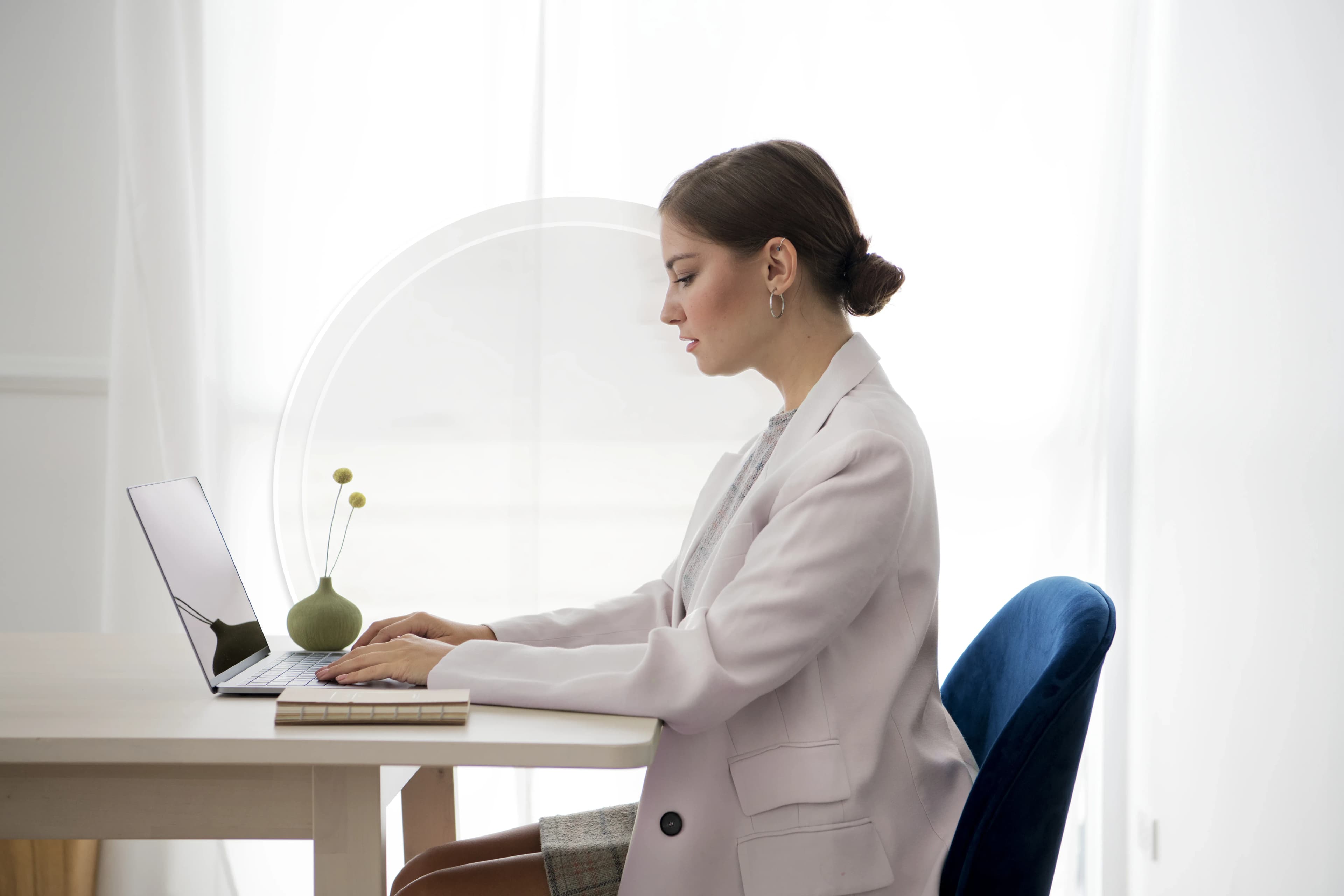
The Dubai business environment is hectic, full of long working hours on laptops, one meeting after another. Screen time, and constant meetings have become the rule. Whether you work from a sleek office in Downtown or from your home desk in the Marina, one thing remains the same, poor posture can silently impact your health.
Tightness in the neck when you are on long calls, backache when you are sitting all day, or that aching in your wrist when typing, they are not merely symptoms of stress. They are the means by which your body communicates, I require support.” Paying attention to these signals helps you make adjustments that improve Ergonomics in the Workplace.
What is Ergonomics?
Ergonomics is the art of setting up your work environment to suit you, rather than vice versa. As your chair, desk and screen positioning help you to sit in the most natural position, your body will move more effectively, get less fatigued and experience less pain over an extended period. Ergonomics in the workplace centres on aligning your work setup to minimise physical strain and maintain optimal posture throughout the day.
It is not about costly furniture or posh gadgets. It is all about easy, clever changes that will make your everyday routine healthier and more comfortable.
Common Posture Problems Among Professionals
Even the most motivated professionals are not immune to:
- Neck and shoulder strain caused by bending over screens.
- Unsupported sitting results in lower back pain.
- Wrists or elbow pains due to improper keyboard height.
- Headaches and eye fatigue due to inappropriate monitor positioning.
These minor stresses may accumulate over time, resulting in chronic pain, fatigue, and reduced productivity.
Simple Ergonomic Fixes You Can Try Today
- Use your screen at eye level - so you do not tilt your head down.
- Sit, with knees at the same level as your hips.
- Place a small cushion or lumbar roll to support your lower back.
- Get up every 30-45 minutes - 2 minutes of walking or stretching will work.
- Have your devices in line - do not bend or hunch over typing or texting.
Small movements, which should be performed regularly, could secure your spine and joints over years.
How a Physiotherapist Can Help
With ideal ergonomics, your muscles might already be tight or weak and require correction. It is at that point that a musculoskeletal physiotherapist comes in.
A physiotherapist can:
- Evaluate your sitting and working habits.
- Determine muscle imbalances or strain patterns.
- Train you in special exercises to develop strength and flexibility.
- Provide work-related ergonomic guidance.
- Manual therapy, dry needling, or mobility training to relieve pain.
At Nadz healthcare, we are aware of the lifestyle of Dubai professionals: long hours, high demands, and little time to care about themselves. This is why our home based physiotherapy and ergonomic visits deliver professional care at your doorstep.
You may be a business leader, a business owner, or a working parent at home, your health should be considered as your work.
Conclusion
Ergonomics in the workplace isn’t a luxury. It’s a smart investment in your health, comfort, and productivity. Through minor changes in postures and early physiotherapy.
Coaching, you will be free of pain, focused, and doing your best, daily. Your body labours on your behalf. Let us see that your work living quarters suit it, as well.
More Posts

Types of STD Tests for Early Detection Offered by Home Healthcare Providers

Is HIV and STD Testing the Same? Home Healthcare Screening Options

Low Vitamin D Symptoms: Why You Feel Tired All the Time in the UAE

Plantar Fasciitis: The Real Reason Behind Your Heel Pain

What Is STD Testing? Private Screening With Home Healthcare
