
Does Menopause Cause Joint Pain? Understanding the Early Signs
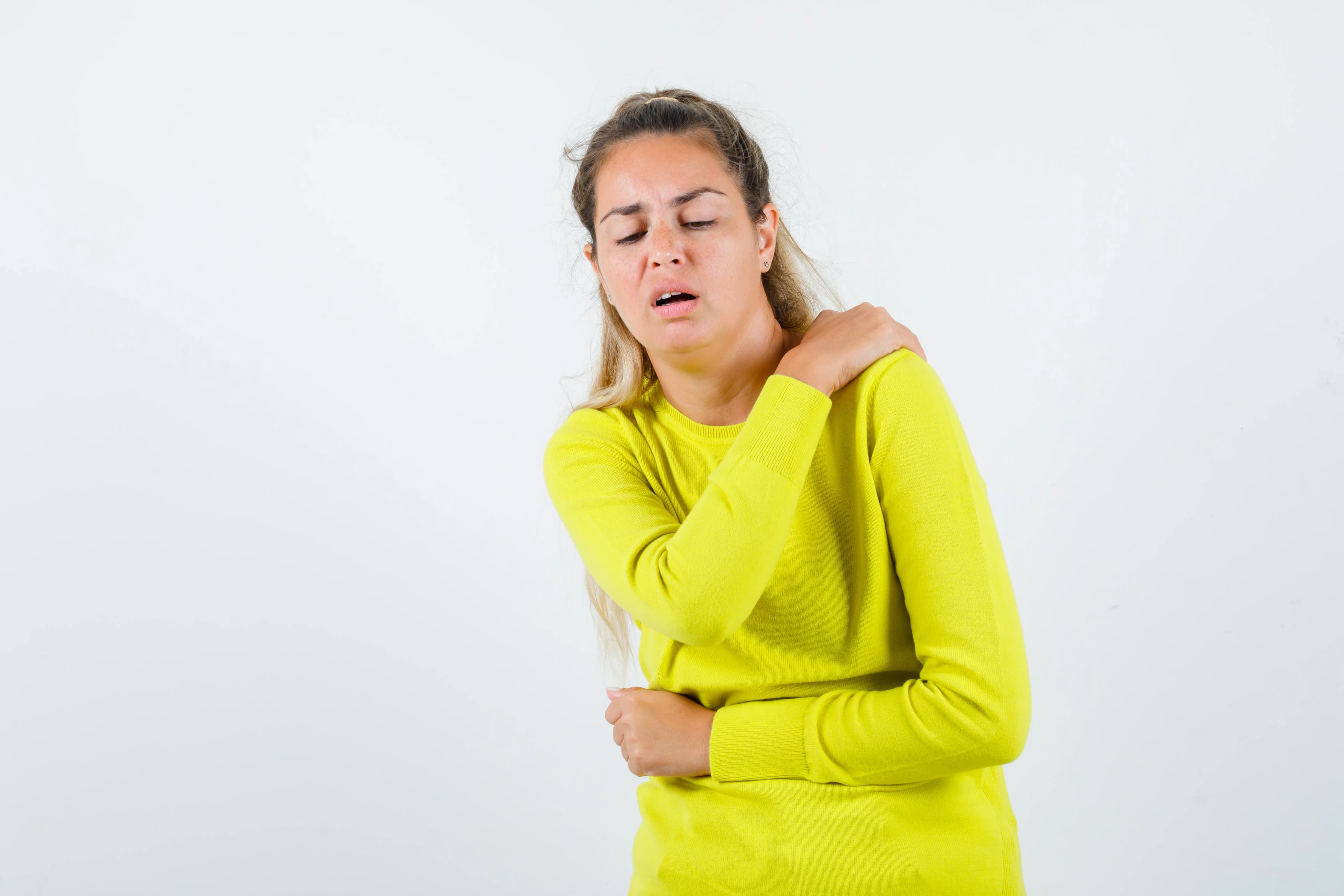
A lot of women don’t really notice when their joints start changing. It’s not sudden, as there is no single day they can pinpoint to say it started.
It’s more like you wake up and feel stiffness. Your knees don’t feel as “light” while climbing stairs, sitting for a while and getting up takes a second longer than before. It’s nothing alarming, just different. So it gets ignored.
Most women assume that it’s just part of getting older, and while aging does play a role, a common question many ask is: does menopause cause joint pain? This phase, especially after menopause, can bring changes that affect joint comfort and mobility.
What Actually Changes After Menopause
After menopause, the body produces less estrogen. This affects joints, especially how well they stay cushioned and how the body manages inflammation. Because of this, joint sensitivity and stiffness can gradually increase in some women.
At the same time, daily activity patterns also shift. Activity levels may drop without noticing. Muscles lose strength gradually. Sometimes weight distribution changes. All of this quietly increases stress on joints like the knees, hips, and lower back.
It’s usually not one big cause, it’s small changes adding up over time.
How It Usually Shows Up
In most cases, it doesn’t start as severe pain. It’s more of a pattern people describe:
- Feeling stiffness after waking up or after sitting
- Discomfort with stair climbing or walking for too long
- Mild pain that comes and goes
- Movements not feeling as smooth as before
- Because it is manageable at first, people adjust instead of addressing it early.
Where People Go Wrong
The common response is to wait.
Wait for it to settle or become “serious enough” to check. But by the time pain becomes constant, the joint has already been under strain for a while. Early signs are actually the best time to intervene rather than ignoring them.
What Physiotherapy Really Does Here
Physiotherapy is often misunderstood as something you start only after pain becomes severe. In reality, it works best much earlier. It’s not just about giving exercises. It’s about understanding why a joint is being overloaded.
For example, knee discomfort may not be just about the knee. It could be because surrounding muscles aren’t supporting it well, or movement patterns are placing repeated stress on the joint.
A physiotherapist evaluates these details and builds a plan that fits into daily routine, not extreme or unrealistic.
The focus is simple:
- Support joints through strength.
- Reduce stiffness for easier movement.
- Correct daily movement habits.
- Keep the body active without increasing discomfort.
Why Many Prefer Home Care
One practical challenge is consistency. Travelling for appointments isn’t always convenient.
Home physiotherapy makes it easier to stay regular and also allows treatment to be more personalized based on how the body actually moves at home. This often helps people manage symptoms more consistently in daily life.
Final Thought
Joint discomfort after menopause is very common, but living with it unnecessarily isn’t.
While aging and hormonal changes can contribute to stiffness and pain, the question does menopause cause joint pain is often linked to real physiological changes that can be managed well if addressed early.
Staying active and independent should not feel difficult, and timely physiotherapy can help make that possible.
More Posts
Types of STD Tests for Early Detection Offered by Home Healthcare Providers

Is HIV and STD Testing the Same? Home Healthcare Screening Options
Low Vitamin D Symptoms: Why You Feel Tired All the Time in the UAE
Plantar Fasciitis: The Real Reason Behind Your Heel Pain
What Is STD Testing? Private Screening With Home Healthcare
