What Is The Difference Between Physiotherapy & Physical Therapy
When movement gets restricted, everything shifts. Your routine changes. Sleep becomes uncomfortable. Even small things like getting up, walking, or sitting feel different.
This usually happens after an injury, surgery, or long-term pain that doesn’t go away easily.
That’s when most people start looking for help. Then, almost immediately, they run into two terms that sound identical: physiotherapy and physical therapy. So naturally, the question comes up. Are they actually different? And does choosing one over the other change how well you recover?
The answer is not a straight yes or no. It’s more layered than that. But understanding this properly helps you make better decisions, especially when care is happening at home.
Where These Terms Even Come From
The difference between physiotherapy and physical therapy mostly comes from geography.
“Physiotherapy” is the term used in countries like India, the UK, and Australia. On the other hand, “physical therapy” is what you’ll hear in the United States.
Historically, they developed a little differently. European systems leaned more toward hands-on treatment. But the U.S. model focused more on exercise-based rehabilitation.
Over time, though, global standards changed things. Organizations like World Physiotherapy brought alignment across training and practice.
So today, the difference is more about naming than actual care.
For a patient, this means one thing clearly: both aim to reduce pain, restore movement, and improve how you function daily.
The Slight Difference in How Treatment Is Done
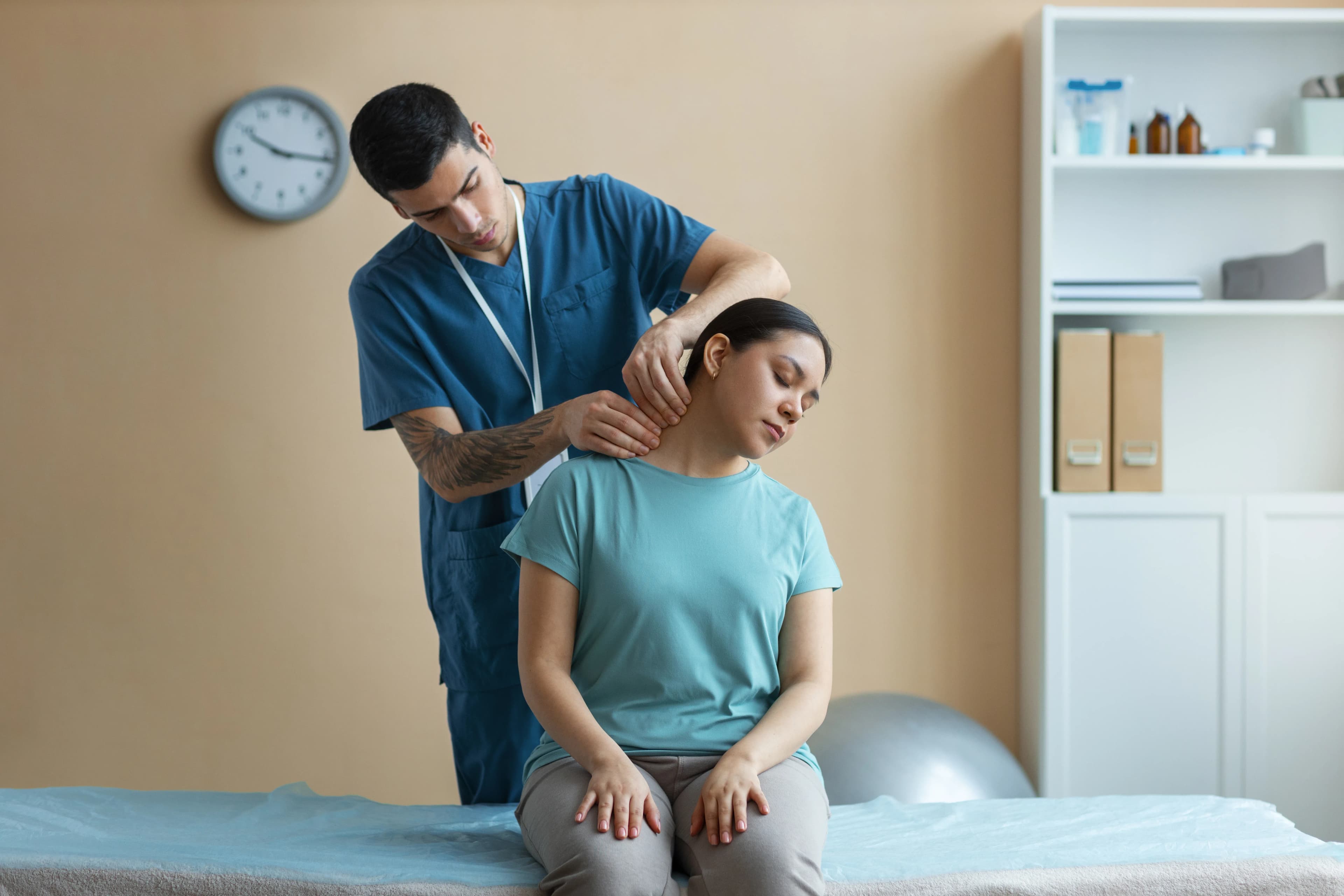
Physiotherapy usually leans more towards hands-on work. The kind where the therapist actually works on your body:
- Joint mobilization
- Soft tissue release
- Myofascial work
- Massage
These techniques are meant to loosen tight areas, reduce stiffness, and make movement feel easier again. You can feel the difference right there on the table.
Physical therapy, on the other hand, focuses more on guided exercises. These are planned movements designed to:
- Build strength
- Improve balance
- Increase endurance
- Restore coordination
But here’s what happens in real life:
Most therapists don't just pick one approach and stick to it forever. They mix both. Because that’s what actually works better. So, a patient might get manual therapy in one session and guided exercises in the same or next session.
Strict separation doesn’t really exist anymore.
What Research Actually Says
From a medical point of view, there’s very little debate on this.
There is no major difference in outcomes.
Studies published in journals like Archives of Physical Medicine and Rehabilitation keep finding the same thing, no matter which approach they look at.
Patients experience:
- Reduced pain
- Better mobility
- Improved daily function
And this happens whether you call it physiotherapy or physical therapy.
There are key insights from research here:
A study found that in some cases, even a single focused session can deliver comparable improvements to multiple sessions (not always, but sometimes). Another study showed that while more frequent sessions can improve short-term function slightly faster, long-term outcomes remain almost the same.
So what does that mean in simple terms?
The name doesn’t change your recovery. Instead, the quality of care does.
Recovery Isn’t the Only Focus
Most people think of physiotherapy only after surgery or injury. But that’s just one part of it.
The actual scope is much wider.
Depending on the therapist, care can include:
- Post-surgical rehabilitation
- Chronic pain management
- Neurological conditions like stroke recovery
- Women’s health, including pelvic floor therapy
- Pediatric care
- Preventive therapy for posture and movement
In the U.S., physical therapy has been more associated with sports injuries and post-surgery recovery. It also sometimes uses equipment like ultrasound therapy or electrotherapy.
But again, these lines are fading.
Today, both approaches overlap heavily. And patients benefit from this combined approach.
Training Is Basically the Same
Another thing people worry about is training. Is one more qualified than the other?
No.
Both physiotherapists and physical therapists study for a long time to get their qualifications.
In the U.S., most of them earn a Doctor of Physical Therapy (DPT) degree. But in countries like India or the UK, it’s typically a master’s degree or equivalent.
The subjects studied are almost identical:
- Anatomy
- Biomechanics
- Movement science
- Clinical diagnosis
- Evidence-based treatment
In the UAE, professionals have to complete their BSc in Physiotherapy or Physical Therapy followed by 2 years of experience after qualification. They can also pursue a MSc degree in Physiotherapy, again with 2 years of experience.
A physiotherapist technician is someone who works under the guidance of a physiotherapist. They must have a diploma or an associate degree in physiotherapy or physical therapy. The course must at least be for 2 years. After this, they have to undergo the MOH exam to work in the UAE. For Dubai, this license comes from DHA.
Global bodies like World Physiotherapy continue to standardize this. So again, the difference in naming doesn’t mean a difference in capability.
What You Should Actually Focus On
If you’re choosing between physiotherapy and physical therapy, don’t focus on the name. Rather, focus on the therapist and the plan.
Ask simple but important questions:
- Is the treatment designed for your specific condition?
- Does the therapist understand your daily routine?
- Is there a clear progression plan?
These matter far more than terminology.
Why Home-Based Therapy Changes Things
Recovery is more than doing exercises during sessions. It’s also about consistency and environment.
This is why home healthcare makes a real difference.
When therapy happens at home:
- You don’t need to travel when you’re already in pain
- You stay in a familiar, comfortable space
- You’re more likely to follow the plan regularly
- The therapist can adjust treatment based on your actual living setup
A therapist can see how you sit on your chair, how you walk inside your home, how your bed or workspace affects your posture.
That kind of observation doesn’t happen in a clinic, which makes the treatment more relevant and more real.
Recovery Is Not Just Physical
Therapy is not just about muscles or joints. It also gets your independence back. Be it being able to walk without thinking twice, sit comfortably, or sleep properly. After all, when these are affected, everything else is too.
Recovery, when done right, should feel manageable, not overwhelming. Some days will feel slow. Some progress will be small. That’s normal. But when care is consistent and personalized, improvement happens, gradually but reliably.
So, What Should You Choose?
The honest answer is simple.
Don’t choose based on the name. Instead, choose based on the care.
Look for:
- A qualified therapist
- A clear, structured plan
- Evidence-based treatment
- Comfort and trust
Whether it’s called physiotherapy or physical therapy, the outcome you’re looking for is the same:
- Better movement
- Less pain
- More control over your body
And when that care comes to your home with experts from NADZ Healthcare, it doesn’t feel like a hospital process anymore. Also, recovery fits better into your life and not the other way around.
You can choose to recover at your home, hotel and even your office with a DHA-licensed physiotherapist. These 1:1 sessions are built around your need with clear guidance and exercise routines you can follow every day.
FAQs
What questions will a physiotherapist ask me?
Your physiotherapist will enquire about the nature of your pain, where you feel, when did it start, and if there are any improvements you’ve seen.
How much does a physiotherapy session cost at home?
A physiotherapy session at home generally costs AED 200-600. The exact fees depend on your concerns and individual practices.
What is another name for physiotherapy?
Physiotherapy is also called “physical therapy” and “kinesiotherapy” in some parts of the world.
Can I do physical therapy at home?
Yes, you can. It is advisable to begin it under guidance of a physical therapist. They will guide you on the exercises you can do and how to do them. Once you learn it, you can continue it at home independently.
Will physio help weak legs?
Yes, physiotherapy can help improve leg strength. The main goals will be to strengthen the muscles and retain the range of motion. However, the exact plan can look different depending on the cause of weakness
More Posts

Benefits of Taking Flu Vaccine with Home Healthcare

What Are PCR Tests? Safe Home Healthcare Testing

Effects of Sleep Disorder: Influence on Mental and Physical Health

What Is in the Flu Vaccine? Science Behind the Ingredients

Causes of Anxiety Disorder: Understanding Why It Develops