Role Of ultrasound Therapy In physiotherapy : How it works
Ultrasound therapy in physiotherapy used modality, for its ability to do tissue healing, reduce pain, and improve mobility. It involves high frequency sound waves that penetrate the skin and reach deep tissues, both thermal and non-thermal effects. These are some of the effects that make ultrasound therapy the most effective in treating musculoskeletal conditions..
How Ultrasound Therapy Works in Physiotherapy
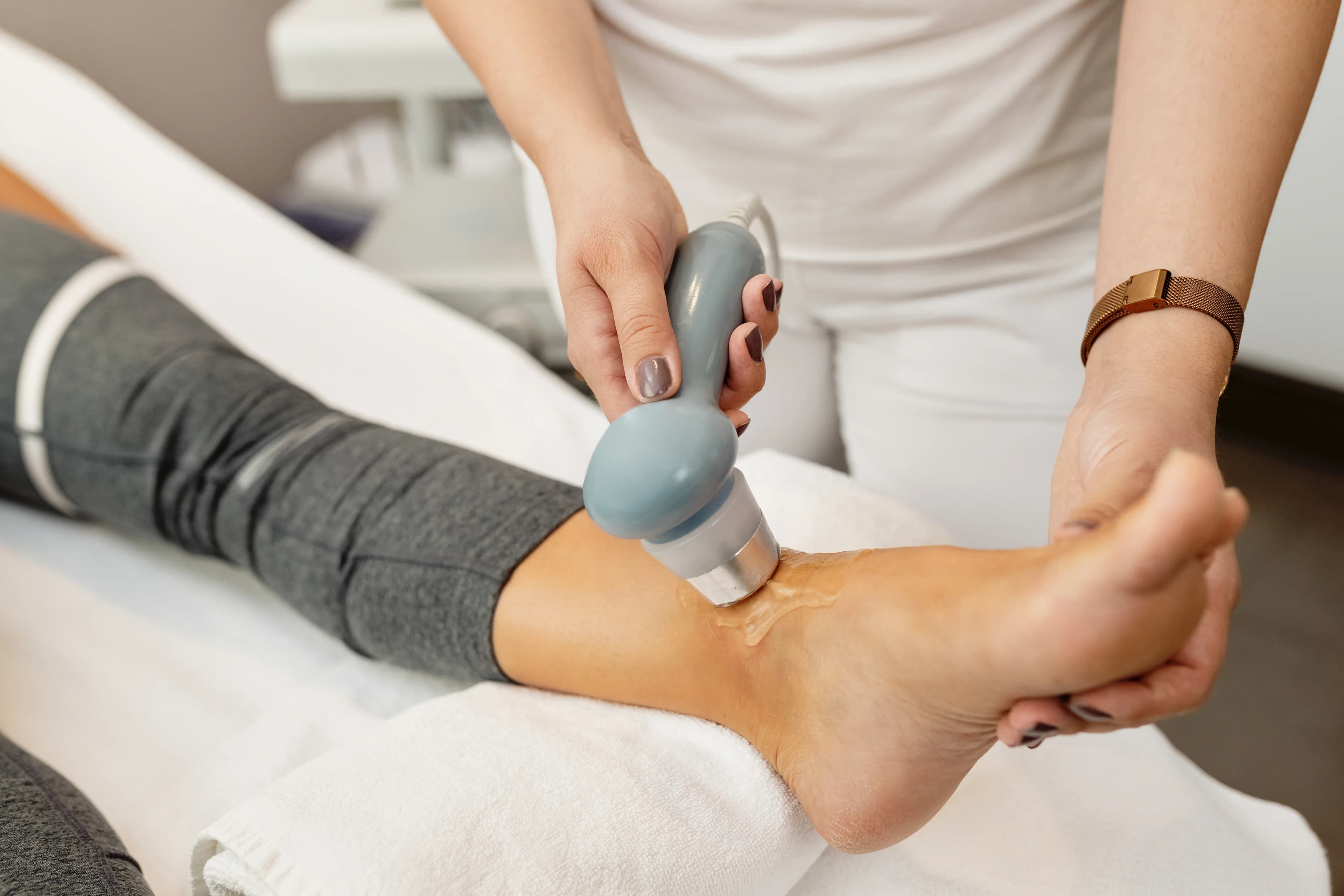
In physiotherapy, ultrasound is applied with a hand-held gadget known as a transducer. This rubbed over the affected region with gel to facilitate transfer of sound waves to the tissues.
The frequency and intensity are chosen by the therapist based on the depth and tissue type to be treated. Usually, the superficial tissues are treated on higher frequencies whereas the deeper structures (like muscles and joints) are treated on lower frequencies.
How Ultrasound Feels During Treatment
- Totally pain free
- May be a little warm or not .
- Sessions last only 5-10 mins .
- Before ultrasound , gel must be applied .
- Ultrasound moves in a circular manner , clockwise and then anti clockwise .
Benefits of Ultrasound Therapy in Physiotherapy
Thermal effect is the main advantage of ultrasound therapy in the field of physiotherapy. The tissues absorb the sound waves, they cause gentle heating, increase blood flow, and improve tissue elasticity. This assists in making muscles less stiff, and joint tightness decreasing, and getting the body ready to exercise. The patients primarily receive the feeling of relaxation during treatment, which helps them to feel less pain.
Besides heating effects, there are non-thermal benefits of ultrasound. These include promoting cellular activity and increasing the healing process. The cells are stimulated by the vibrations caused by ultrasound waves, which improves tissue repair and regeneration. It works well with torn ligaments, tendons, and inflammation of the tissue.
Clinical Indications for Ultrasound Therapy
Ultrasound is applied in the management of conditions, such as chronic pain, sports injuries, arthritis and post-surgical recovery.. Together with other physiotherapy methods like manual therapy, stretching and strengthening exercises to meet objectives. Ultrasound can reduce pain and enhance tissue flexibility, enabling patients to be more involved in their rehab programs.
Contraindications and Precautions
Although ultrasound therapy has numerous benefits, it should be cautiously applied. It is not suited for all patients or conditions. As an illustration, it did not travel to places where there were infections, tumors or poor sense.
Correct evaluation and clinical judgment are needed to make it safe and effective. The condition of the patient will be always examined by a trained physiotherapist, and it will be decided whether ultrasound should be an adequate element of the treatment plan.
Conclusions
In conclusion, ultrasound therapy in physiotherapy contributes to pain relief and tissue repair through its thermal and non-thermal effects, supporting rehabilitation outcomes.
Properly used, it enhances recovery, enhances functioning and helps the patients resume their daily activities comfortably and confidently. With the ongoing advancement in technology, ultrasound has remained a fundamental part of physiotherapy.
More Posts
Brain Mapping Techniques for Cognitive Health at Home
What is Brain Mapping? Brain Activity and Cognitive Health

Benefits of Taking Flu Vaccine with Home Healthcare

What Are PCR Tests? Safe Home Healthcare Testing

Effects of Sleep Disorder: Influence on Mental and Physical Health